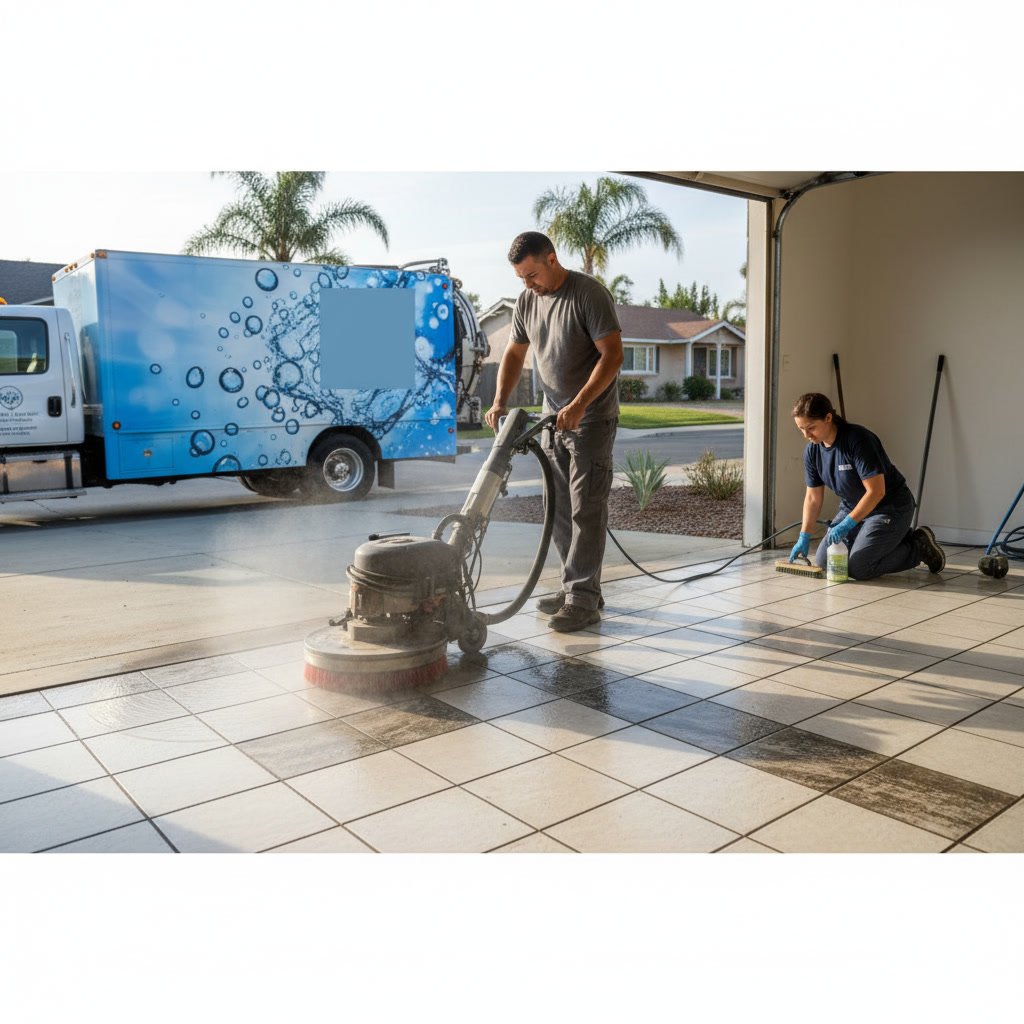
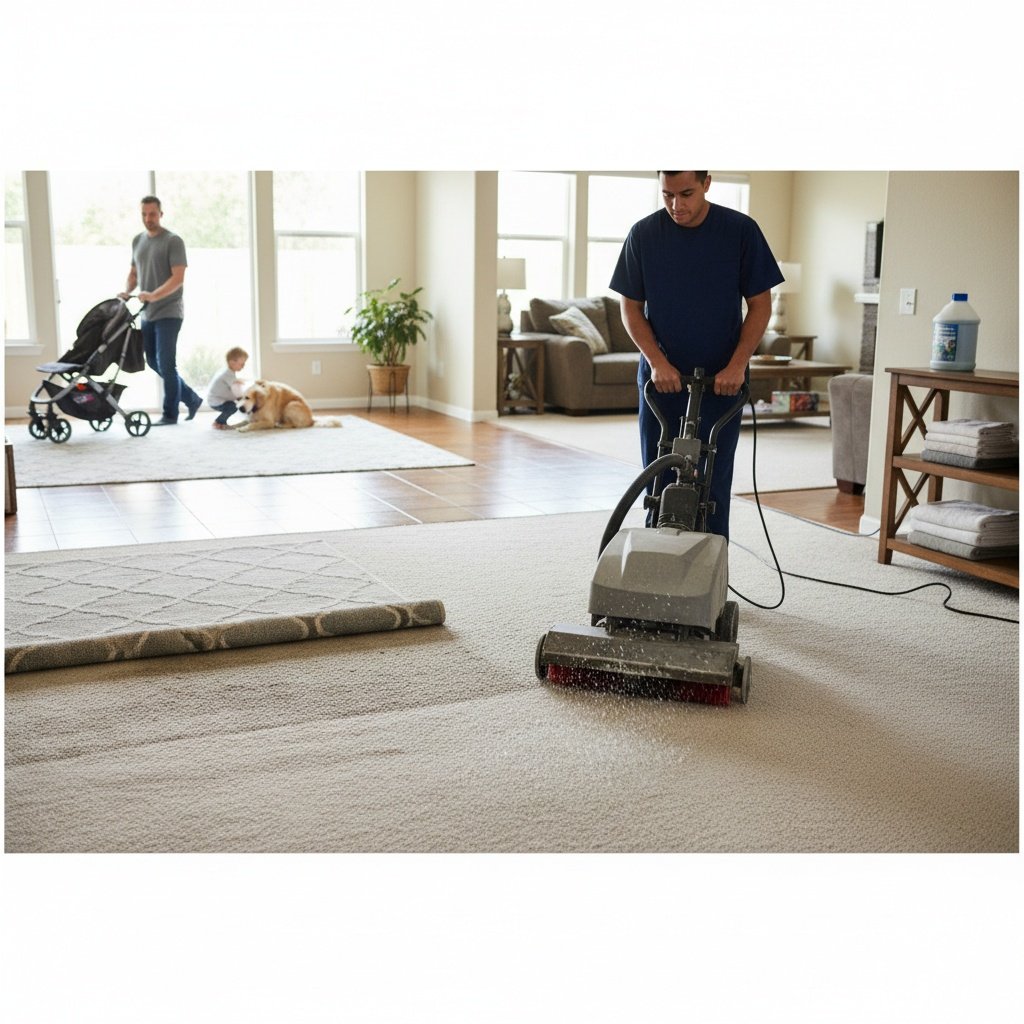
Your hallway carpet shows every footprint. The living room rug has lost its original color around the couch. Pet paws, kids’ cleats, and daily foot traffic have turned your once-pristine carpets into a maintenance challenge. High traffic homes in Lathrop need more than basic vacuuming to keep carpets clean, healthy, and presentable.
This guide explains the most effective carpet cleaning Lathrop methods for busy households, when to use each technique, and how professional cleaning extends carpet life in homes that see constant activity.
Why High Traffic Areas Demand Different Cleaning Approaches
High traffic zones accumulate dirt differently than the rest of your home. Entryways, hallways, and living areas collect 80% more soil than bedrooms or formal spaces. Each person tracking through your home deposits an average of 0.25 ounces of dirt per week on your carpets.
This concentrated soil doesn’t just sit on the surface. It works its way down between carpet fibers with every footstep, creating an abrasive layer that damages the carpet backing and wears down fibers from the inside out. Standard cleaning methods often can’t reach this embedded grime.
The carpet in these zones also experiences mechanical wear. Foot traffic compresses fibers, bends them in different directions, and creates matted areas that trap more dirt. You need carpet cleaning methods that address both surface and deep-set contamination.
Pro Tip: High traffic areas should receive professional cleaning every 4 to 6 months, while low traffic spaces can wait 12 to 18 months between deep cleans.
Hot Water Extraction: The Gold Standard for Deep Cleaning
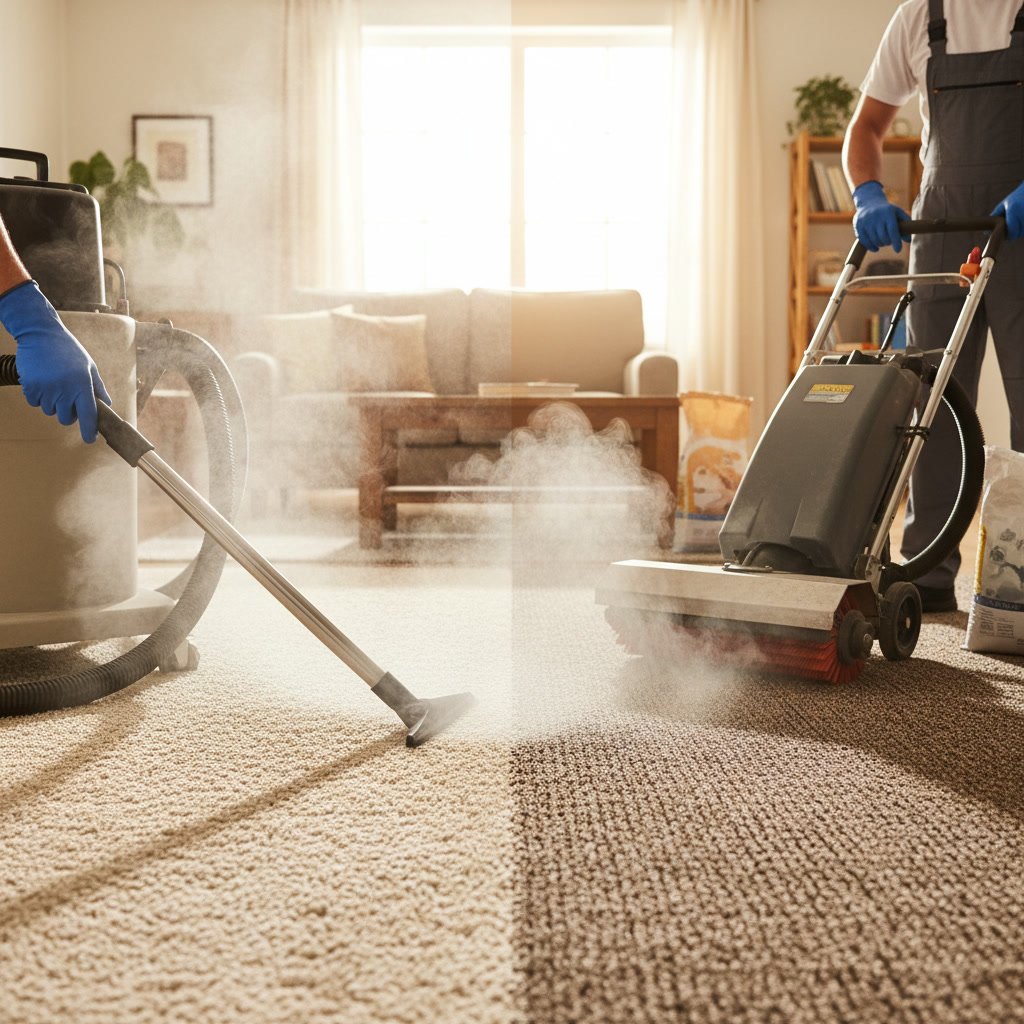
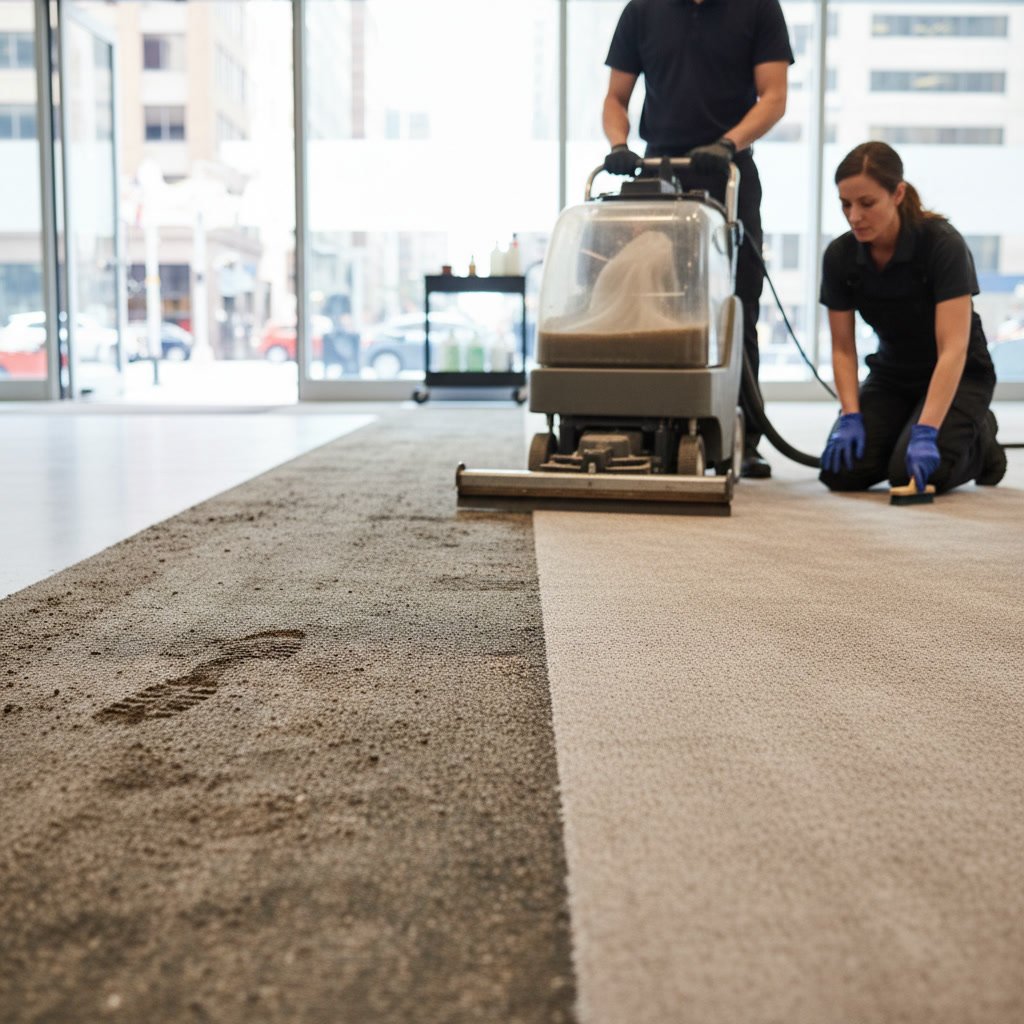
Hot water extraction, commonly called steam cleaning, remains the most effective method for high traffic carpets. This technique injects hot water mixed with cleaning solution deep into carpet fibers under pressure, then immediately extracts it along with dissolved dirt, allergens, and contaminants.
The process reaches soil that sits at the carpet base, where foot traffic has pushed it down over months of use. Water heated to 150 to 200 degrees breaks down oils, sticky residues, and biological matter that vacuuming can’t touch.
Professional equipment generates significantly more suction power than rental machines. Commercial extractors remove 95% of moisture during cleaning, which means carpets dry in 6 to 12 hours instead of the 24 to 48 hours typical with consumer-grade equipment.
Best Situations for Hot Water Extraction
This method works best for synthetic carpets in family rooms, hallways, and entryways. It’s particularly effective when you haven’t had professional cleaning in over a year, or when carpets show visible soil lines along traffic paths.
Hot water extraction also excels at removing allergens. Studies show this method removes up to 98% of common household allergens from carpets, making it ideal for homes with family members who suffer from allergies or asthma.
Low Moisture Cleaning for Quick Turnaround Needs
Low moisture cleaning uses specialized machines that apply cleaning solution and immediately agitate and absorb it with absorbent pads or bonnets. The carpet stays slightly damp rather than wet, and typically dries within 1 to 2 hours.
This method works particularly well for commercial-grade carpets and for homes where you can’t wait half a day for carpets to dry. Many Lathrop, CA families with young children or pets prefer this approach because rooms return to use almost immediately.
The limitation is depth. Low moisture methods clean the top third of carpet pile effectively but don’t penetrate to the backing the way hot water extraction does. For lightly soiled carpets or maintenance cleaning between deep cleans, this approach performs well.
When to Choose Low Moisture Methods
Consider low moisture cleaning when you need rooms available quickly, when maintaining carpets that were recently deep cleaned, or when working with delicate natural fiber rugs that can’t handle excessive moisture.
This technique also prevents the overwetting issues that sometimes occur with hot water extraction on older carpets with compromised backing. If your carpet is over 15 years old, low moisture methods reduce the risk of delamination or mildew.
Encapsulation Technology for Heavily Trafficked Commercial Spaces
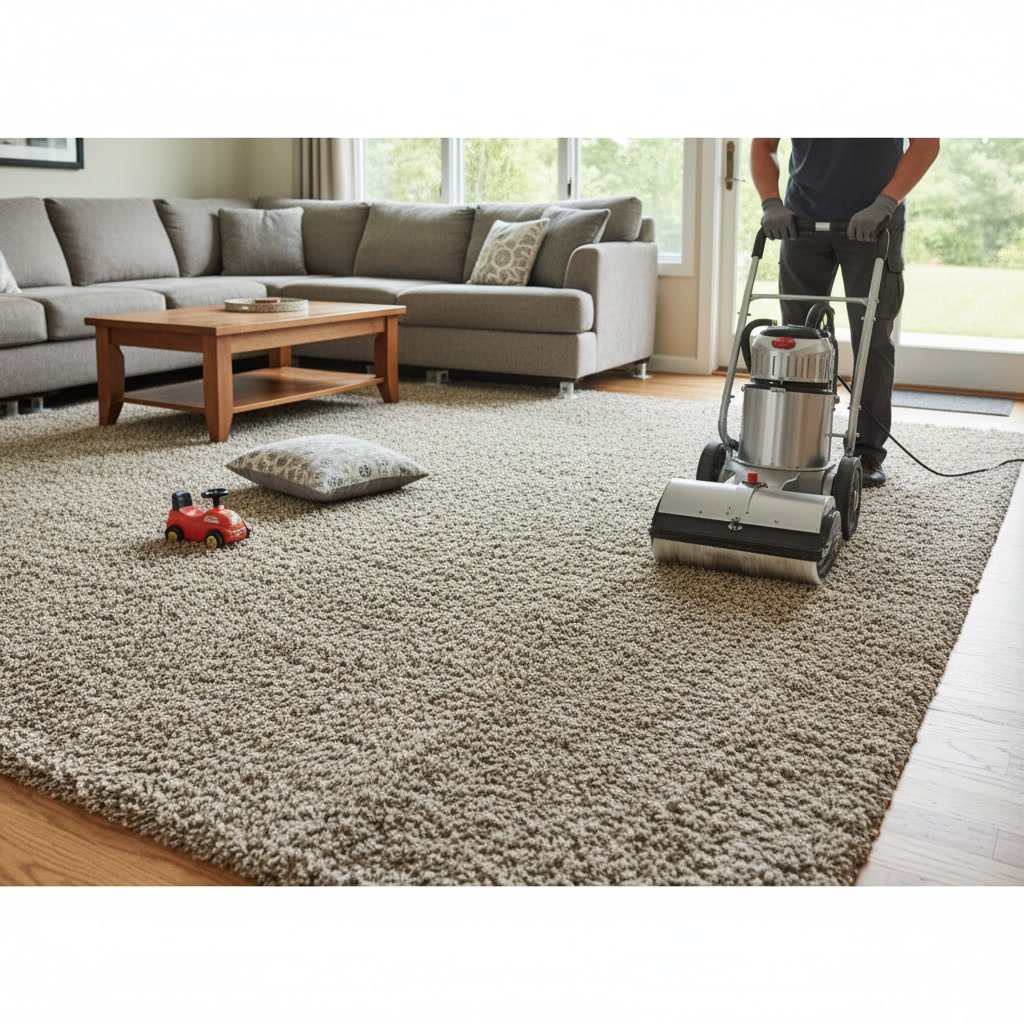
Encapsulation cleaning applies a specialized polymer solution that crystallizes around dirt particles as it dries. Once dry, the crystals break away from carpet fibers and can be vacuumed up, taking the trapped soil with them.
This method has become increasingly popular for commercial applications and high traffic residential areas because it leaves no sticky residue. Traditional cleaning sometimes leaves behind detergent residue that actually attracts dirt faster, causing carpets to resoil quickly. Encapsulation products don’t create this problem.
The process also extends time between deep cleanings. Regular encapsulation maintenance every 6 to 8 weeks keeps high traffic areas looking fresh and reduces the frequency of full hot water extraction treatments.
Grasso Carpet Cleaning uses encapsulation methods for many commercial carpet cleaning projects where minimizing downtime is essential. The technique works equally well in residential settings with similar traffic patterns.
Carpet Protection Treatments That Actually Work
After deep cleaning, applying carpet protector creates an invisible barrier around each fiber. This barrier prevents soil from bonding directly to the carpet and makes future cleaning more effective.
Factory-applied protectants wear away in high traffic areas within 12 to 18 months. Reapplying protection after each professional cleaning restores this shield and can extend carpet life by 30% to 50% according to carpet manufacturers.
The treatment also provides stain resistance. Spills sit on top of treated fibers longer before penetrating, giving you more time to blot them up before they set. For homes with kids or pets, this extra reaction time prevents many permanent stains.
Application Methods and Longevity
Professional protector application uses truck-mounted sprayers that apply an even coat across the entire carpet surface. The product needs 4 to 6 hours to cure fully, during which time you should keep foot traffic off treated areas.
Protectant typically lasts 12 to 24 months depending on traffic levels. High traffic zones may need reapplication every 12 months, while protected carpets in low traffic areas can go 18 to 24 months between treatments.
Spot Cleaning Techniques Between Professional Services
Even with regular professional cleaning, high traffic homes need effective spot treatment methods for daily spills and accidents. Quick response makes the difference between a temporary spill and a permanent stain.
For water-based spills like juice, coffee, or wine, blot immediately with white towels. Work from the outside of the spill toward the center to prevent spreading. Never scrub, as this damages fibers and pushes the spill deeper into the carpet pad.
Oil-based stains like grease or makeup require different treatment. Apply a small amount of dish soap mixed with warm water, blot gently, then rinse with plain water and blot dry. The key is removing all soap residue, which otherwise attracts dirt.
Key Takeaway: Always test any cleaning solution on an inconspicuous area first. Some carpet dyes react badly to common household cleaners, creating permanent discoloration.
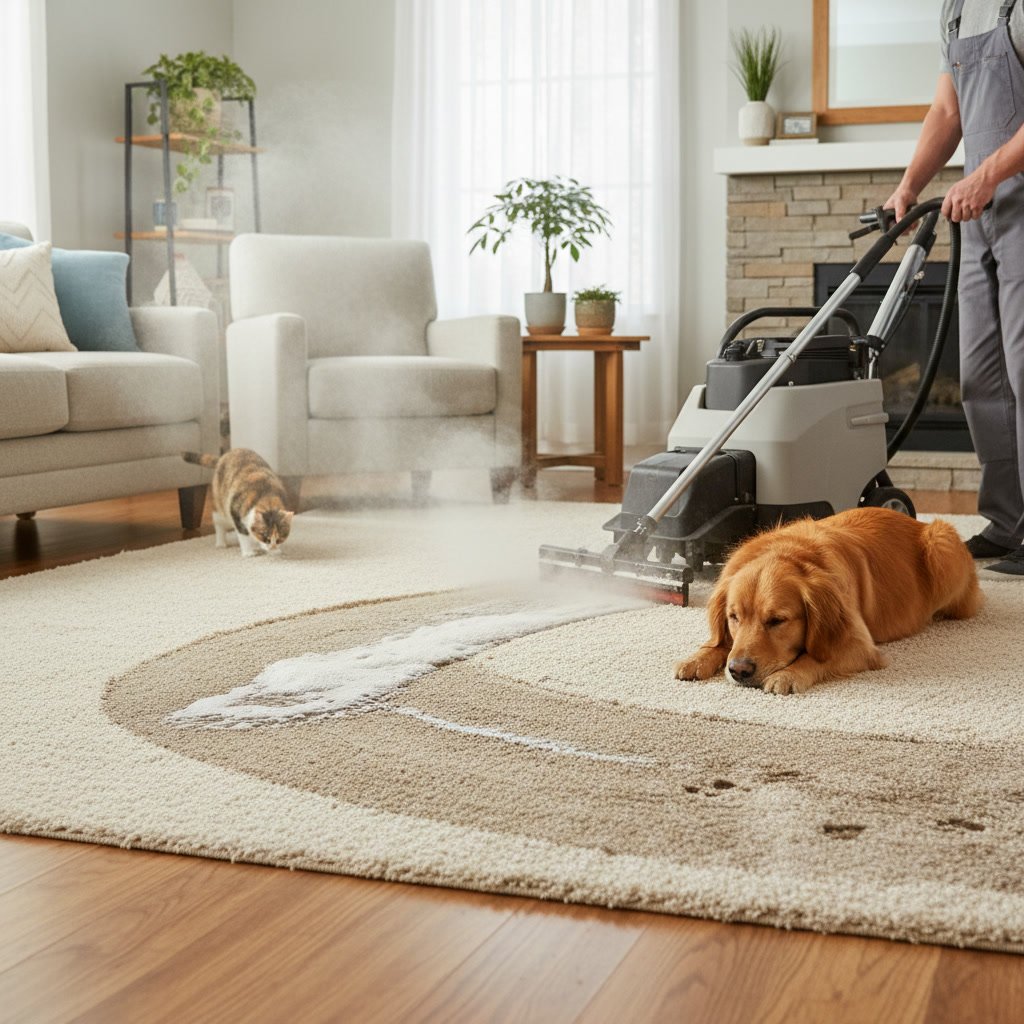
Pet accidents require enzymatic cleaners that break down organic matter. Standard carpet cleaners mask odors temporarily but don’t eliminate the biological source, which means smells return as the carpet dries.
Maintenance Schedules for Different Traffic Levels
Creating a realistic cleaning schedule based on your actual traffic patterns keeps carpets healthier and reduces long-term costs. A household of two adults needs less frequent professional service than a family with three kids and two dogs.
For moderate traffic homes (two to three occupants, no pets), vacuum high traffic areas twice weekly and schedule professional carpet cleaning Lathrop services every 12 to 18 months. Low traffic areas can go 24 months between deep cleans.
High traffic homes (four or more occupants, or any number with pets) should vacuum daily in main pathways and three times weekly elsewhere. Professional cleaning every 6 to 12 months prevents the soil buildup that damages carpet backing and shortens carpet life.
Extremely high traffic situations, like homes that double as home offices with client visits or large families with multiple pets, benefit from quarterly professional cleaning in main zones. This frequency sounds excessive but actually costs less than premature carpet replacement.
The relationship between maintenance and carpet longevity is direct. Carpets cleaned on appropriate schedules last 8 to 12 years on average. Carpets cleaned only when visibly soiled typically need replacement after 5 to 7 years.
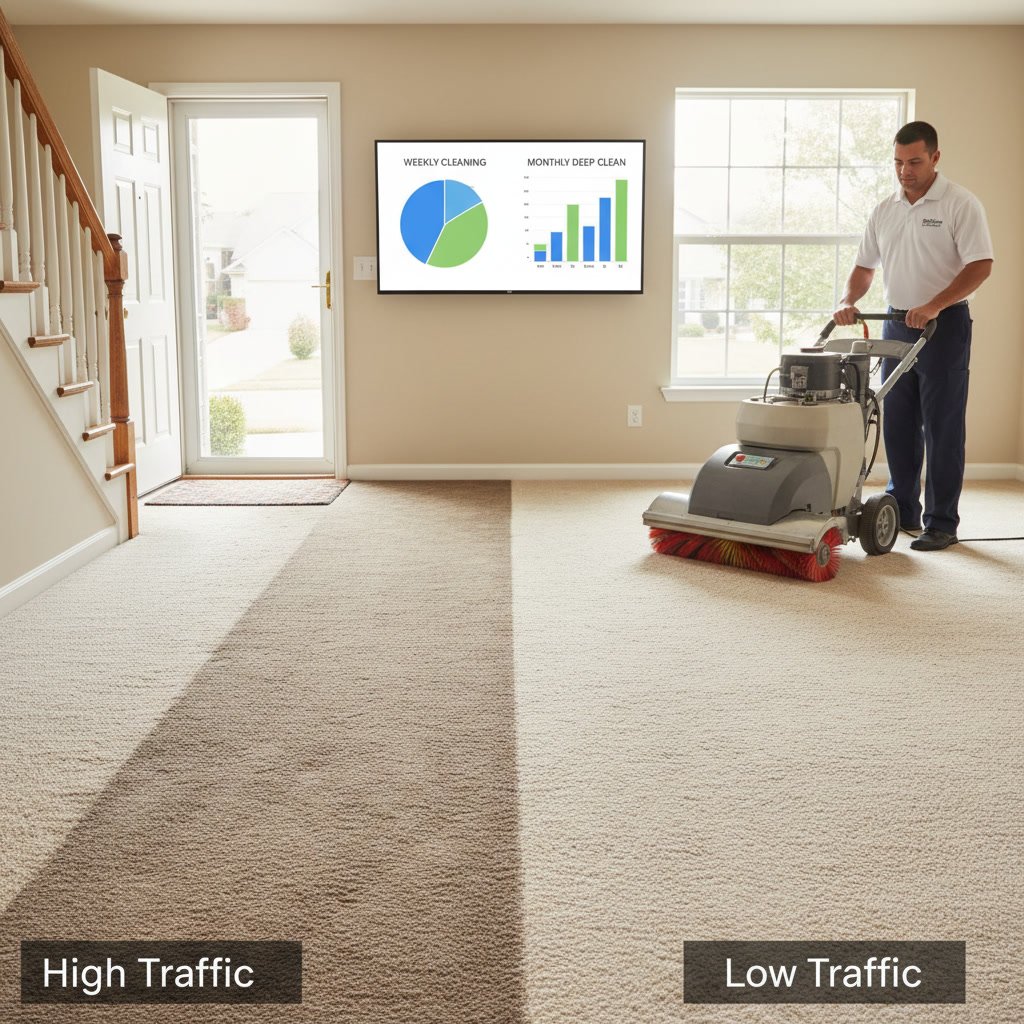
Combining Methods for Optimal Results
The most effective maintenance programs don’t rely on a single cleaning method. Instead, they combine techniques based on current carpet condition, time since last cleaning, and immediate needs.
A typical comprehensive approach starts with quarterly low moisture or encapsulation cleaning in high traffic zones. This maintains appearance and prevents soil buildup between deeper treatments. Once or twice yearly, follow up with hot water extraction that resets the carpet to near-original condition.
This combined approach costs more upfront than waiting until carpets look dirty and then doing a single deep clean. However, it extends replacement cycles significantly and keeps your home looking better day to day.
For homes concerned about the cost of professional carpet cleaning, the combined maintenance approach actually reduces annual costs when you factor in extended carpet life and reduced need for spot treatments or emergency cleaning.
Choosing the Right Service Provider
Not all carpet cleaning companies use the same methods or maintain equipment to the same standards. The difference in results between well-maintained professional equipment and poorly maintained or consumer-grade machines is substantial.
Look for companies that own truck-mounted extraction units rather than relying solely on portable equipment. Truck-mounted systems generate significantly more heat and vacuum power, producing better cleaning results and faster drying times.
Ask about cleaning solutions. Quality providers use products appropriate for your specific carpet type and adjust pH levels based on fiber content. One-size-fits-all chemical approaches can damage certain carpet types or leave residues that attract dirt.
Experience matters, particularly with challenging situations like pet odors, severe staining, or delicate antique rugs. Companies with decades of local service history have encountered and solved problems that newer operations haven’t seen yet. Grasso Carpet Cleaning has served the Manteca area for over 50 years, giving our technicians exposure to virtually every carpet cleaning challenge that exists in Central Valley homes.
Consider also what other services a company offers. Homes with high traffic carpets often need related services like upholstery cleaning or tile and grout maintenance. Working with a single provider who handles all these needs simplifies scheduling and often provides better value.
Environmental and Health Considerations
High traffic areas harbor more than just visible dirt. Carpets trap allergens, dust mites, bacteria, and other biological contaminants that affect indoor air quality. Homes with heavy foot traffic can accumulate bacteria levels 4,000 times higher than toilet seats in the most-used carpet zones.
Professional cleaning removes these health hazards, but only if the cleaning products themselves don’t introduce new problems. Many traditional carpet cleaning chemicals contain volatile organic compounds that off-gas for days after application, causing respiratory irritation and headaches.
Environmentally safe cleaning products have improved dramatically in recent years. Modern green cleaning solutions match or exceed the performance of traditional chemicals while eliminating toxic residues. These products are particularly important in homes with young children who play on carpets or family members with chemical sensitivities.
Proper extraction is equally important. Cleaning methods that leave carpets too wet create conditions for mold and mildew growth, which introduces new health hazards worse than the original dirt. Quality equipment that removes 95% or more of applied moisture prevents these issues.
Frequently Asked Questions
How often should high traffic carpets be professionally cleaned?
High traffic carpets benefit from professional cleaning every 6 to 12 months depending on household size and activity level. Homes with pets or children should lean toward the 6-month interval, while adult-only households can extend to 12 months. Visible soil lines or matted appearance indicate cleaning is overdue regardless of schedule.
Can professional cleaning remove pet odors from high traffic areas?
Yes, but success depends on how deeply the odor has penetrated. Surface-level pet accidents respond well to enzymatic treatments combined with hot water extraction. Odors that have soaked through to padding or subfloor may require pad replacement or subfloor sealing in addition to carpet cleaning. Professional assessment determines the appropriate treatment level.
Will cleaning high traffic areas make them show dirt faster afterward?
Only if cleaning leaves behind detergent residue, which acts like a dirt magnet. Quality professional cleaning includes thorough rinsing and extraction that removes all cleaning product. Applying carpet protector after cleaning actually slows resoiling by preventing dirt from bonding to fibers. If carpets seem to get dirty faster after cleaning, the provider likely used too much product or didn’t rinse adequately.
Do I need to move furniture before carpet cleaning?
Most providers move light furniture like chairs, ottomans, and coffee tables as part of service. You should move breakables, electronics, and small items from surfaces. Heavy furniture like beds, dressers, and entertainment centers typically stay in place, and technicians clean around them. Discuss specific needs when scheduling to ensure the provider can accommodate your situation.
How long before high traffic carpets are completely dry after cleaning?
Drying time depends on the cleaning method, humidity, airflow, and carpet thickness. Hot water extraction typically requires 6 to 12 hours with professional equipment, while low moisture methods dry in 1 to 2 hours. Running ceiling fans, opening windows when weather permits, and keeping HVAC systems running accelerates drying. Avoid walking on damp carpets with bare feet or in shoes until completely dry.
Taking the Next Step
High traffic carpets in Lathrop homes face constant challenges from daily activity, tracked-in dirt, and accumulated wear. The right combination of professional cleaning methods, protective treatments, and regular maintenance keeps these heavily used areas looking fresh while extending carpet life by years.
Whether you need deep extraction cleaning to address months of buildup, low moisture maintenance between major cleanings, or specialized treatment for stubborn stains and odors, choosing methods appropriate for your specific traffic patterns makes all the difference. Grasso Carpet Cleaning serves Lathrop and surrounding communities with over five decades of experience in residential and commercial carpet care.
Schedule your cleaning consultation today to discuss which methods best suit your home’s needs. Call +12092392906 or reach out through our contact page to set up an appointment.