DIY dryer vent maintenance includes cleaning the lint trap after every load, vacuuming the lint trap housing monthly, and clearing debris from the exterior vent cover quarterly. Professional service becomes necessary when vents are longer than 15 feet, contain multiple bends, show signs of damage, or when airflow remains restricted despite regular cleaning.
Your dryer vent system plays a critical role in home safety and appliance efficiency. Regular maintenance prevents thousands of house fires each year while reducing energy costs and extending the life of your dryer. Understanding which tasks you can tackle yourself and when to bring in trained technicians helps you protect your home without unnecessary expense.
Why Regular Dryer Vent Care Matters
Lint accumulation inside dryer vents creates a dangerous fire hazard. The U.S. Fire Administration reports that failure to clean dryers causes an estimated 2,900 home fires annually, resulting in five deaths, 100 injuries, and $35 million in property loss. Beyond safety concerns, clogged vents force your dryer to work harder, increasing energy bills by up to 30% and shortening the appliance’s lifespan by years.
Restricted airflow also means longer drying times. If your clothes need two or three cycles to dry completely, lint buildup is likely the culprit. Moisture trapped in the system can lead to mold growth inside walls and ductwork, creating additional health concerns for your household.
Essential Tools for Basic Vent Maintenance
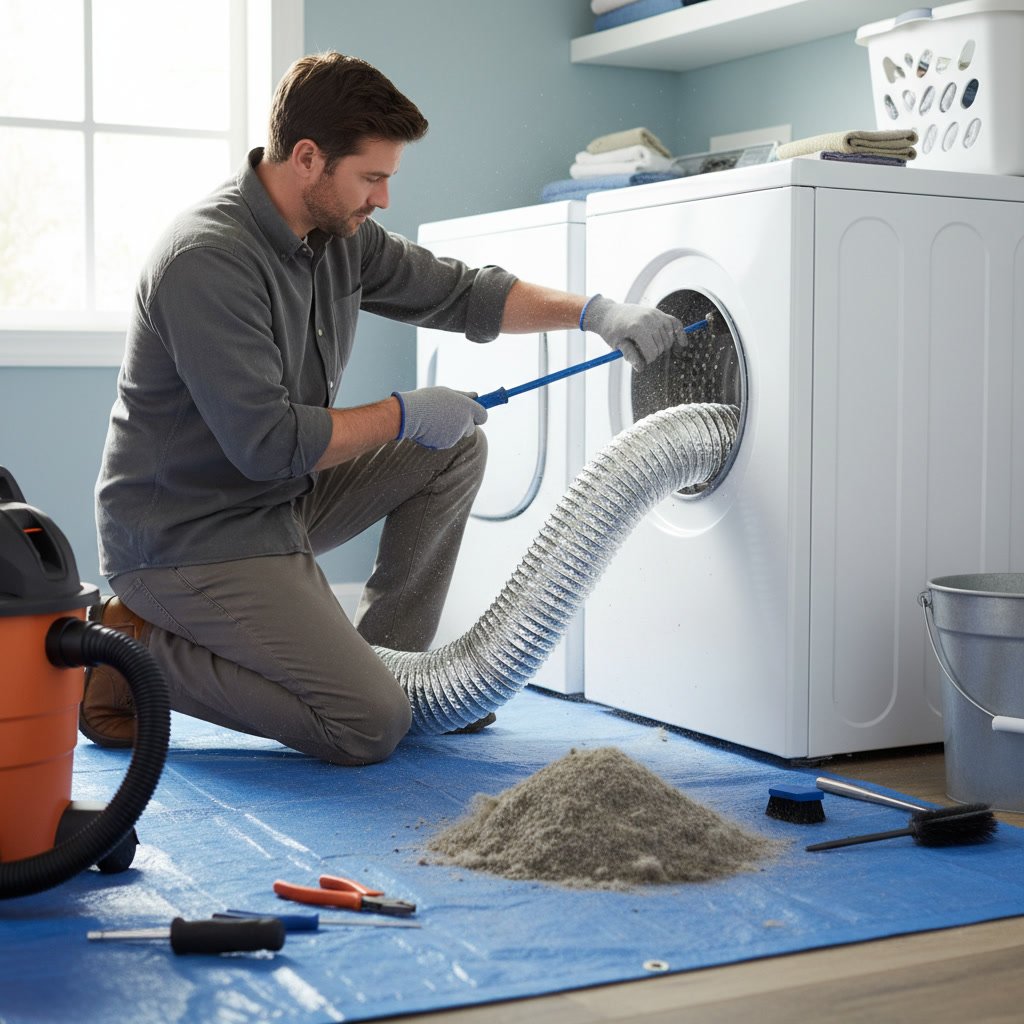
Before starting any DIY dryer vent maintenance, gather the right equipment. You’ll need a vacuum with a long hose attachment, a dryer vent brush kit with flexible rods, a screwdriver, and a flashlight. Vent brush kits are available at most hardware stores for $15 to $30 and include rods that connect together to reach several feet into the ductwork.
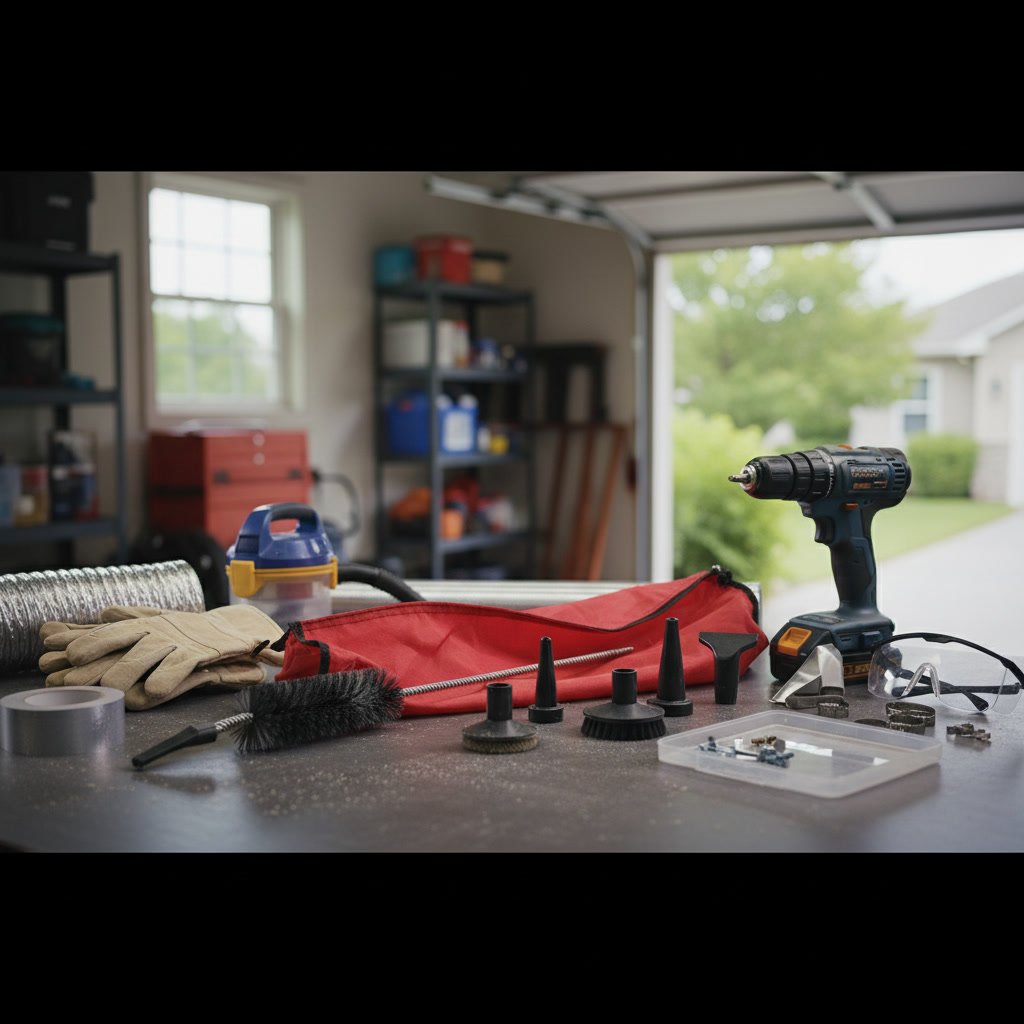
A leaf blower can help clear loose lint from longer vents, though this method works best when used outdoors at the exterior vent opening. Safety gloves protect your hands from sharp duct edges, and a dust mask prevents lint inhalation during cleaning.
Monthly Tasks You Should Handle Yourself
Clean the lint trap after every single load without exception. This simple habit removes 60% to 70% of lint before it enters the vent system. Once monthly, remove the lint screen completely and vacuum the trap housing. Use the crevice attachment to reach deep into the slot where the screen sits.
Wash the lint screen itself with warm soapy water every few months. Fabric softener sheets leave an invisible film that reduces airflow through the screen’s mesh. After washing, let it air dry completely before reinstalling.
Check behind and beneath your dryer monthly. Pull the unit away from the wall and vacuum any lint that has escaped around the connection point. Inspect the flexible transition hose for tears, kinks, or compression. This accordion-style hose should be no longer than six feet and made of metal rather than plastic or foil, which are fire hazards.
Quarterly Exterior Vent Cleaning in Tracy
Every three months, inspect and clean your exterior vent cover. Lint, bird nests, and debris commonly block this exit point. Remove the cover if possible and clear away any obstructions. Check that the damper flap opens and closes freely. A stuck damper prevents proper airflow and can trap moisture inside the vent.
While cleaning the exterior opening, run your dryer and feel the airflow. Strong, consistent air pressure indicates good ventilation. Weak or intermittent flow suggests blockage somewhere in the system that may require professional attention.
Step-by-Step: Cleaning Your Dryer Vent Duct
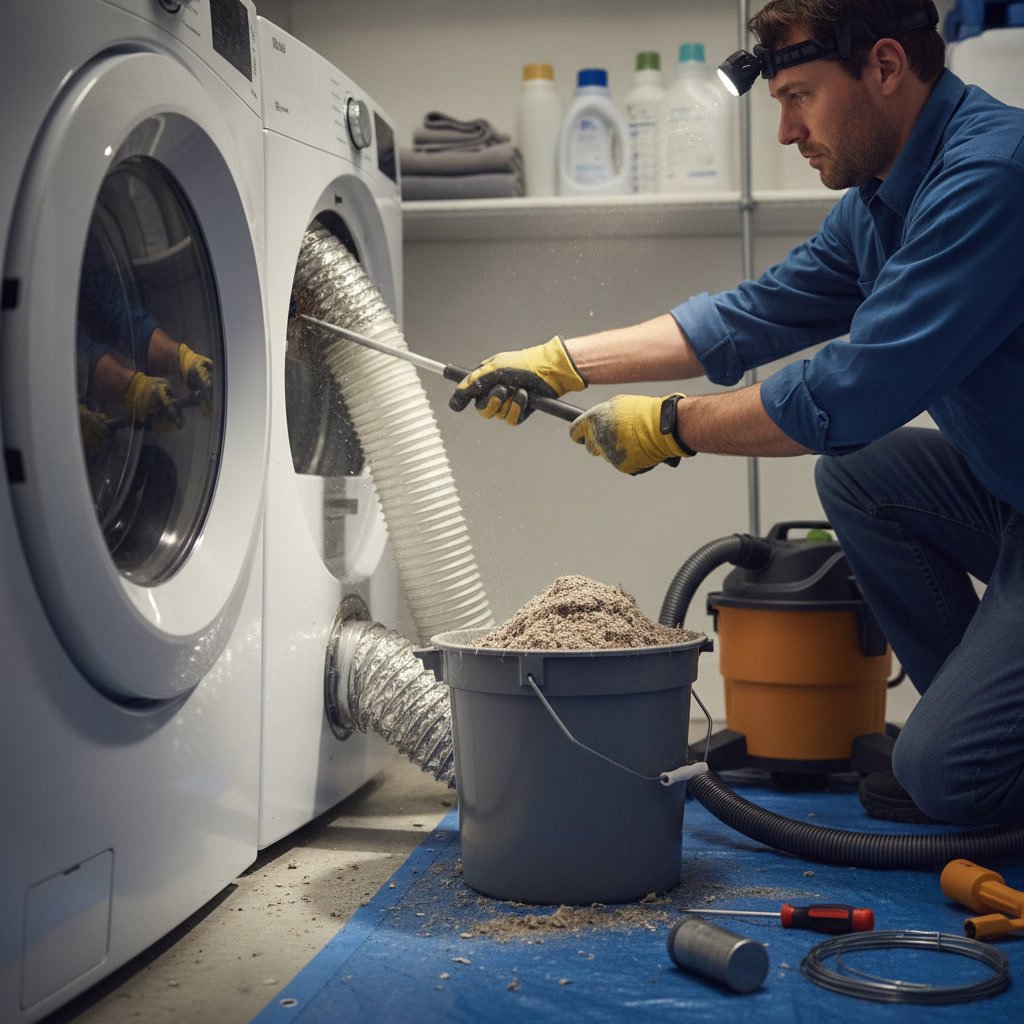
For straight, short vent runs of 10 feet or less, homeowners can perform basic duct cleaning. First, unplug the dryer and turn off the gas supply if applicable. Disconnect the transition hose from both the dryer and the wall duct.
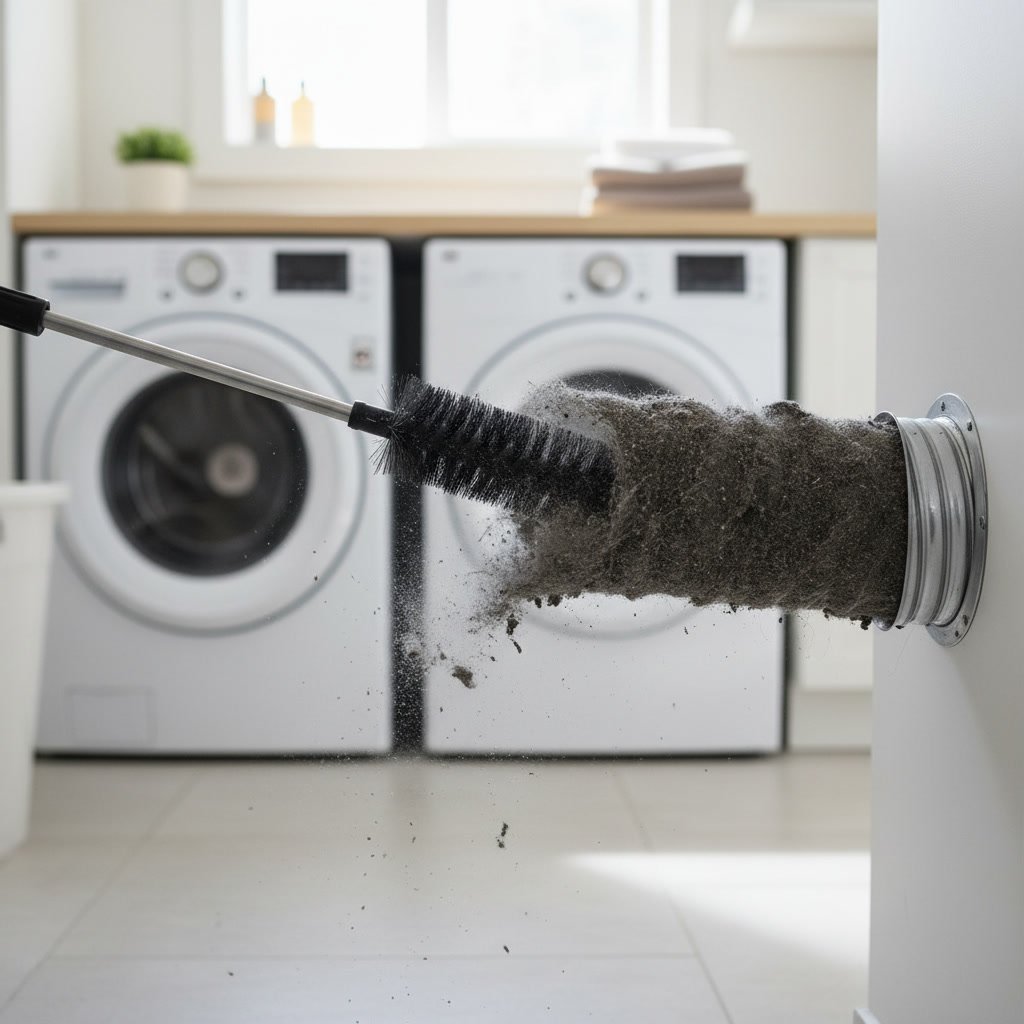
Insert your vent brush into the wall duct opening and push it as far as it will go, rotating clockwise as you advance. Pull the brush back slowly, allowing bristles to capture lint. Repeat this process three to four times until minimal lint emerges. Use your vacuum to remove loosened debris from the duct opening and floor.
Clean the transition hose separately by running the brush through it or replacing it entirely if it shows wear. Reconnect all components securely, ensuring the transition hose has no kinks or sags. Restore power and run the dryer on air-dry mode for 10 minutes to clear any remaining particles.
Warning Signs That Require Professional Help
Several conditions indicate you need expert dryer vent cleaning rather than DIY attempts. Vents longer than 15 feet or containing more than two 90-degree turns collect lint in areas you cannot reach with standard brushes. Multi-story homes where vents run through walls and ceilings require specialized equipment to clean thoroughly.
If your dryer takes more than one cycle to dry normal loads even after you’ve cleaned accessible areas, deep blockage exists within the system. Burning smells, excessive heat on the dryer exterior, or visible lint around the door seal all signal dangerous buildup that demands immediate professional attention.
Damaged ductwork requires expert repair or replacement. Crushed sections, separated joints, and holes allow lint to accumulate inside walls where it becomes an extreme fire hazard. Professionals can inspect hidden ductwork using camera equipment and make necessary repairs to code.
How Professionals Clean Differently
Professional vent cleaning goes far beyond what homeowners can accomplish with retail brush kits. Technicians use high-powered rotary brush systems and industrial vacuums that create negative pressure throughout the entire duct length. This combination dislodges compacted lint that hand brushing cannot remove and captures it before it disperses into your home.
Professional equipment reaches 30 to 40 feet or more through complex vent configurations. Technicians access vents from both ends simultaneously when necessary, ensuring complete cleaning regardless of layout. Many services include camera inspections that identify damage, improper installation, and code violations you would never detect on your own.
The process typically takes 60 to 90 minutes for residential systems. Technicians will test airflow before and after service, documenting the improvement. This baseline measurement helps identify future problems early during subsequent maintenance visits.
The Real Cost of Skipping Professional Service
While DIY maintenance helps between professional cleanings, it cannot replace them entirely. Most manufacturers and safety organizations recommend professional vent cleaning annually at minimum. Homes that do heavy laundry, have long vent runs, or use their dryer daily should schedule service every six months.
The expense of professional cleaning, typically $100 to $200, pales compared to the potential costs of neglect. A dryer fire can destroy your home and endanger lives. Less dramatically but still expensive, a clogged vent can add $25 to $35 monthly to your electric bill and force you to replace a worn-out dryer years earlier than necessary.
Insurance claims for dryer fires often face scrutiny regarding maintenance records. Documented professional cleaning protects you financially and demonstrates responsible homeowner behavior if the worst occurs.

Installation Issues That Complicate Maintenance
Some dryer vent systems were poorly designed from the start, making both DIY and professional maintenance more difficult. Building codes now limit vent length to 25 feet for straight runs, with deductions for each elbow. Older homes often exceed these limits or use inappropriate materials like flexible vinyl duct inside walls.
Vents that run horizontally or have low spots where moisture and lint pool require more frequent cleaning. Ideally, vents should slope slightly downward toward the exterior, allowing condensation to drain out rather than collecting inside. If your system needs two or three cleanings annually to maintain performance, vent rerouting may prove more economical long-term.
A cleaning consultation can assess whether your current vent configuration meets modern safety standards. Sometimes simple modifications like replacing sharp 90-degree elbows with gradual bends dramatically improve airflow and reduce maintenance needs.
When Cleaning Alone Is Not Enough
Persistent problems after thorough cleaning indicate issues beyond simple lint accumulation. A failing dryer heating element or thermostat can cause extended run times that mimic vent blockage symptoms. Worn drum seals allow lint to bypass the filter entirely, overwhelming even clean vents.
The exterior vent location also affects performance. Vents terminating in recessed areas, under decks, or near landscaping collect more debris and may need screening or relocation. Wildlife frequently nests in dryer vents, particularly during spring and fall. Professional removal ensures complete nest clearing and often includes damper upgrades that prevent future intrusions.
Anyone experiencing repeated blockages should consider professional inspection beyond routine cleaning. Hidden problems like crushed ducts, disconnected sections, or improper slope won’t resolve through cleaning alone and grow more dangerous over time.
Protecting Your Home Year-Round
Effective dryer vent care combines consistent DIY habits with scheduled professional service. Your monthly and quarterly tasks keep the system functioning between expert cleanings, while annual professional service addresses what you cannot reach or detect. This layered approach maximizes safety, efficiency, and appliance longevity.
Mark your calendar for both DIY tasks and professional service appointments. Treat vent maintenance as non-negotiable home care, similar to carpet cleaning or HVAC filter changes. The small investment of time and money prevents catastrophic failure while reducing your energy costs throughout the year.
Understanding the fire prevention benefits of proper vent maintenance helps prioritize this often-overlooked task. Your dryer vent deserves the same attention you give to smoke detectors and other safety systems in your home.
Grasso Carpet Cleaning has served families throughout the Central Valley for over 50 years with professional dryer vent cleaning services that protect homes and improve appliance performance. Our technicians use commercial-grade equipment to thoroughly clean vents of any length or configuration, identifying safety concerns and ensuring optimal airflow. If your dryer shows warning signs of vent problems or it has been more than a year since professional service, reach out to schedule an inspection at +12092392906.