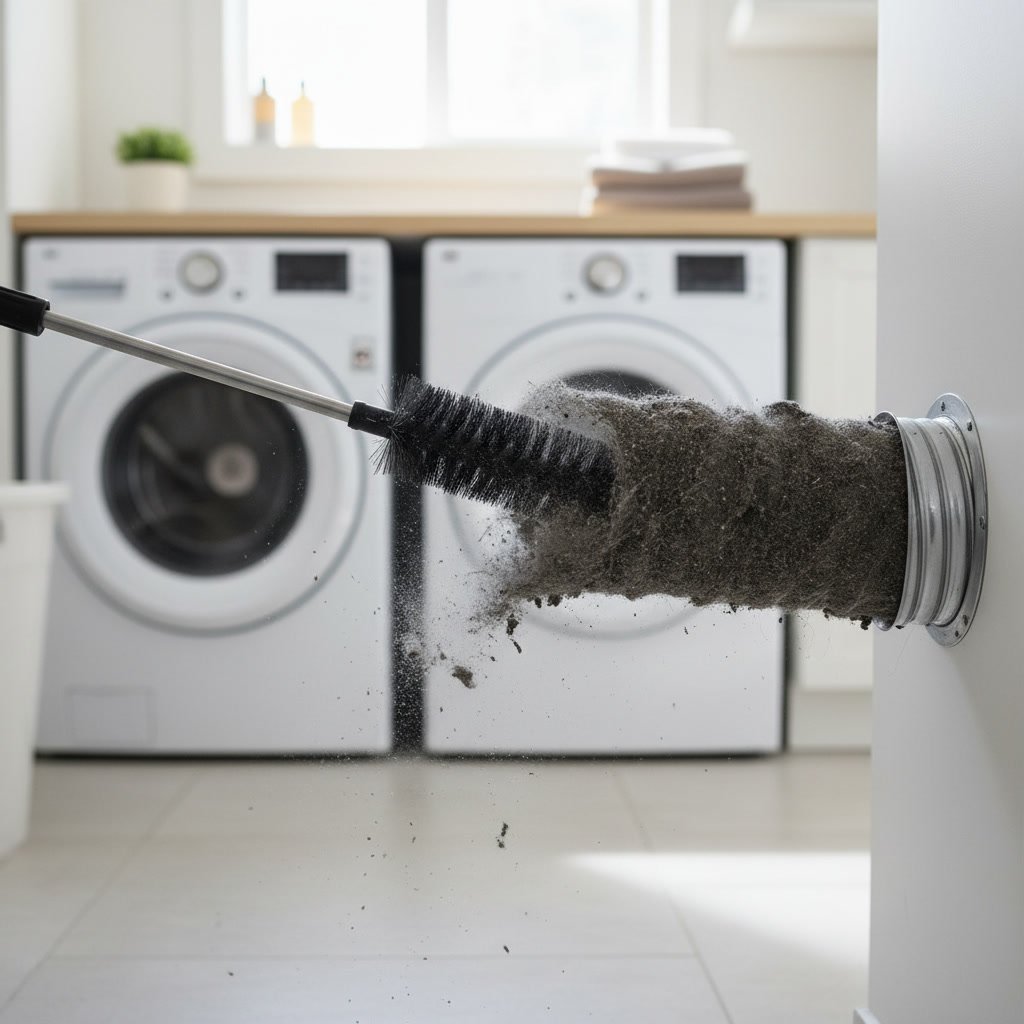
Clean dryer vents can improve dryer vent cleaning efficiency by reducing drying time up to 50% and cutting energy consumption by as much as 30%. When lint and debris clog your vent system, your dryer works harder and longer to dry each load, driving up electricity or gas costs. Regular professional cleaning restores proper airflow, allowing your appliance to operate at peak performance while using less energy.
Why Your Dryer Uses More Energy Than It Should
Most homeowners never think about their dryer vents until something goes wrong. Your dryer is one of the highest energy-consuming appliances in your home, accounting for roughly 6% of total residential electricity use. When vents become restricted, that percentage climbs significantly.
Lint accumulates inside the vent duct with every load you dry. Even if you clean the lint screen after each cycle, microscopic fibers escape into the ductwork. Over months and years, these fibers build up along the walls of the vent pipe, creating a thick layer that restricts airflow. The dryer sensor detects that clothes remain damp, so the heating element stays on longer and the drum keeps spinning.
This extended run time translates directly to higher energy bills. A dryer that should complete a cycle in 40 minutes might run for 60 or 70 minutes when the vent is partially blocked. That extra half hour per load adds up quickly when you consider multiple loads per week.
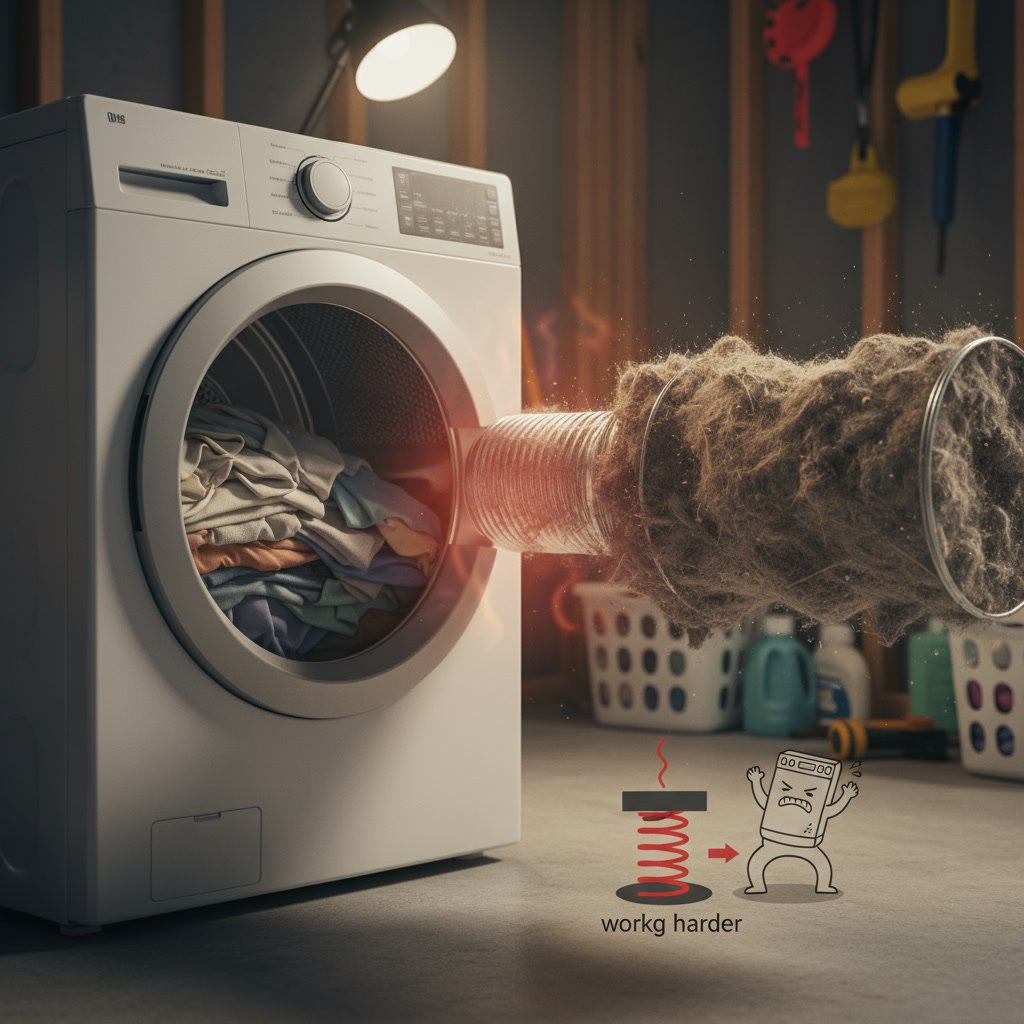
How Blocked Vents Force Your Appliance to Work Harder
Your dryer relies on continuous airflow to remove moisture from clothes. Hot air enters the drum, absorbs water from wet fabrics, and exits through the vent system to the outside. When the vent is clear, this process happens efficiently. When blocked, humid air becomes trapped inside the drum.
The appliance compensates by running the heating element continuously, trying to evaporate moisture that has nowhere to go. The motor works overtime to tumble heavy, damp clothes. Internal components experience elevated temperatures and increased wear. This stress shortens the lifespan of your dryer while simultaneously increasing energy consumption.
The Direct Connection Between Clean Vents and Lower Utility Costs
Research from appliance manufacturers shows that a fully clogged dryer vent can increase energy use by 75% compared to a clean system. Even a partial blockage of 50% can raise consumption by 30 to 40%. For a household running five loads per week, that difference might cost an extra $15 to $25 monthly on the electric bill.
Natural gas dryers experience similar inefficiencies. The burner must fire more frequently and for longer durations to compensate for poor airflow. While gas is typically cheaper than electricity per BTU, the wasted fuel still represents money leaving your wallet for no productive purpose.
Professional dryer vent cleaning removes the accumulated lint and debris, restoring the system to like-new performance. Most homeowners notice an immediate difference in drying times after service.
What Professional Cleaning Actually Removes From Your Vent System
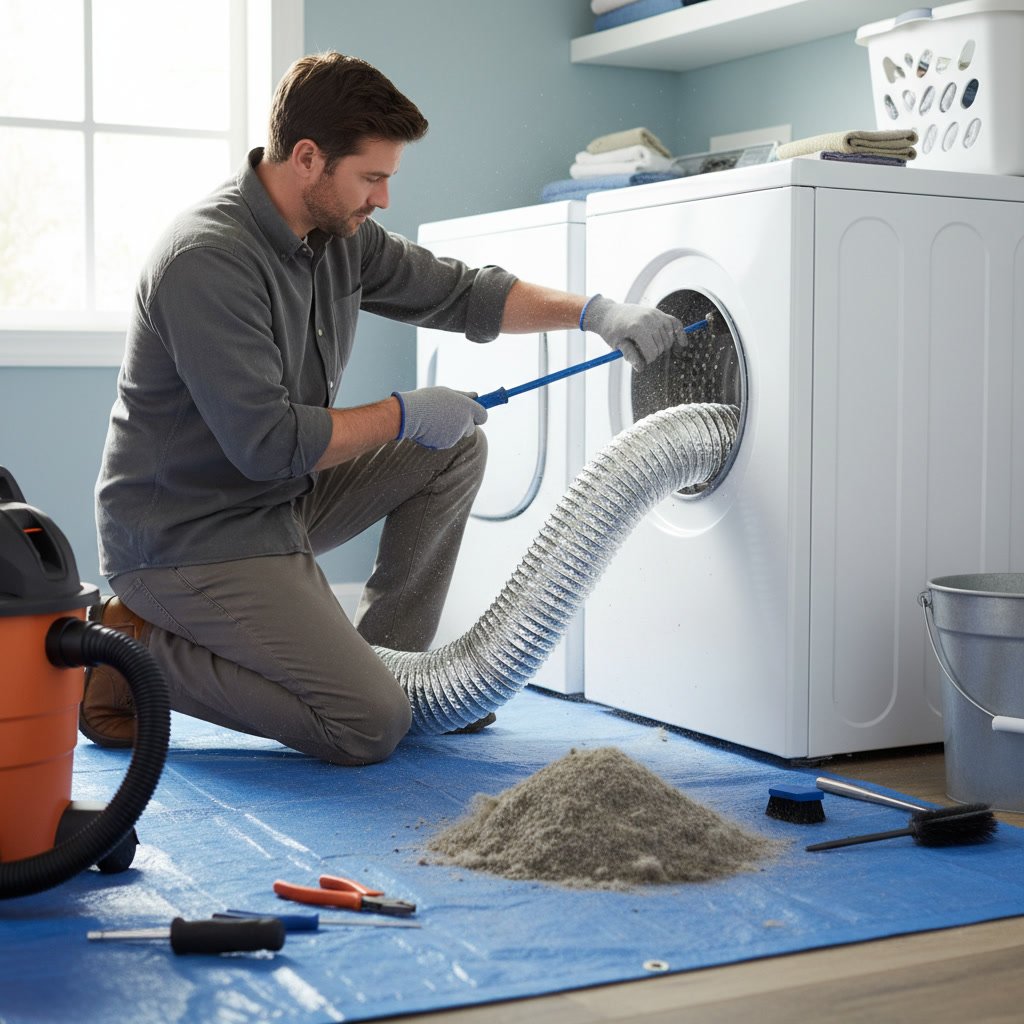
The material clogging your dryer vent is not just household lint. Professional technicians regularly extract surprising amounts of debris during a thorough cleaning. A typical residential vent cleaning in Tracy removes between two and five pounds of accumulated material.
This includes compressed lint, pet hair, fabric fibers, dust, and sometimes small items that escaped from pockets. In homes with pets, animal fur creates particularly dense blockages. Dryer sheets also contribute a waxy residue that coats vent walls and traps other particles.
Exterior vent caps often become nests for birds, rodents, or insects. These blockages are especially dangerous because they can completely seal the vent opening. Professional cleaning addresses the entire vent run from the dryer connection to the exterior termination point.
Five Signs Your Dryer Vent Is Costing You Money in Tracy
Recognizing the warning signs of a clogged vent helps you address the problem before it significantly impacts your energy bills. Watch for these specific indicators:
Extended drying times: If a normal load that used to take 40 minutes now requires 60 to 80 minutes, your vent likely has significant buildup. Each extra minute adds to your energy costs.
Hot exterior surfaces: Touch the top and sides of your dryer during a cycle. If the appliance feels excessively hot to the touch, trapped heat is staying inside instead of venting outdoors. This indicates poor airflow and wasted energy.
Burning smell during operation: Lint accumulation near the heating element can create a distinct burning odor. This is both a fire hazard and a sign that your dryer is working inefficiently. Our prevention guide for house fires explains this danger in detail.
Clothes that feel damp or unusually hot: When moisture cannot escape properly, garments come out either still damp or scorching hot. Either condition means the dryer ran longer than necessary.
Visible lint around the dryer area: Lint escaping from seams or appearing around the exterior vent opening indicates backpressure in the system. Air is finding alternative escape routes because the proper path is blocked.
How Often You Need Cleaning to Maintain Peak Efficiency
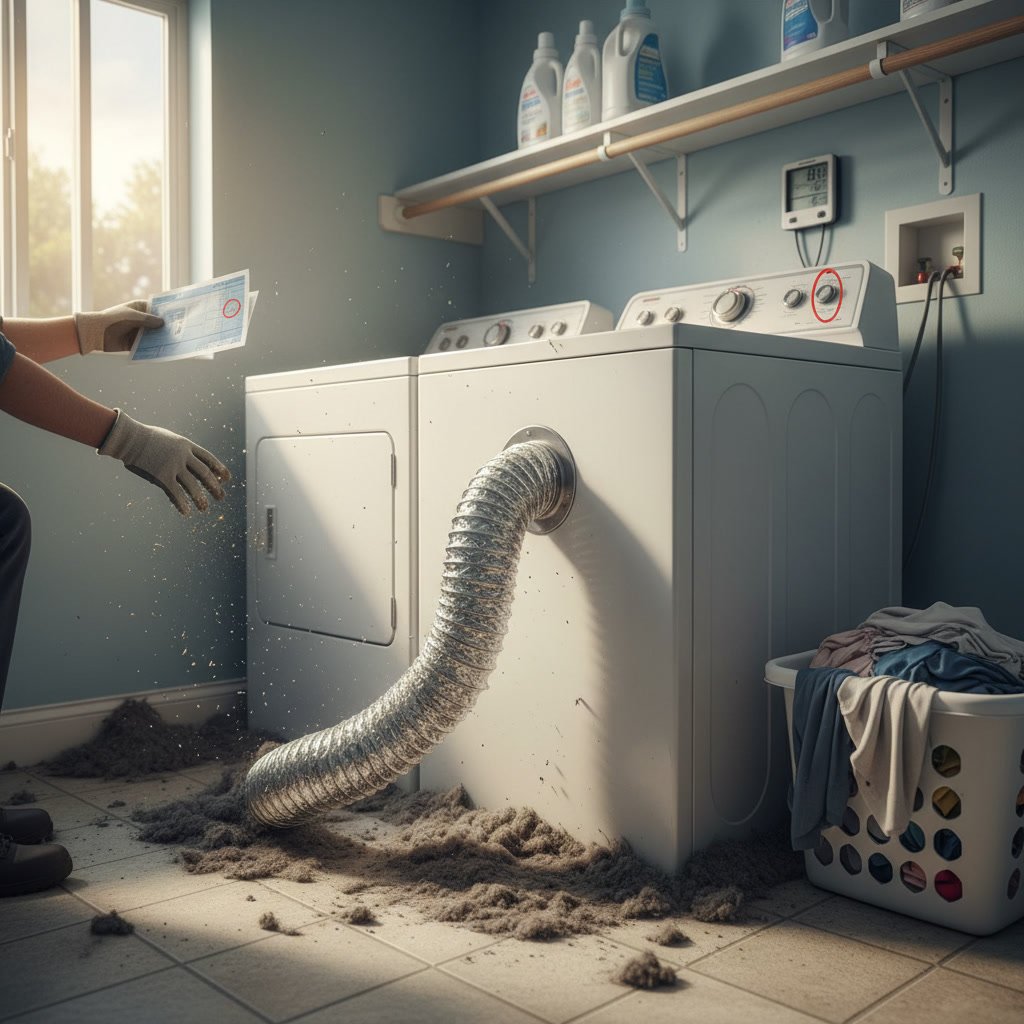
The ideal cleaning frequency depends on your household laundry habits and vent system configuration. Most residential dryers require professional cleaning once per year to maintain optimal efficiency. Households that do more than eight loads weekly should consider service every six months.
Longer vent runs require more frequent attention. If your dryer vent travels more than 15 feet to reach the exterior, or includes multiple bends, lint accumulates faster. Each 90-degree elbow in the duct reduces airflow capacity and creates a collection point for debris.
Homes with pets need more frequent cleaning. Dog and cat fur creates dense blockages that restrict airflow more severely than typical clothing lint. If you have multiple pets or breeds that shed heavily, schedule cleaning every six months.
What Happens During a Professional Vent Cleaning Service
Professional vent cleaning involves specialized equipment that homeowners typically do not own. Technicians use high-powered rotary brush systems that spin through the ductwork, dislodging compacted lint from the walls. Industrial vacuums with HEPA filtration capture the debris as it loosens.
The process begins by disconnecting the dryer from the vent. The technician inspects the connection point and the first few feet of ductwork for damage or improper installation. A flexible rod system extends the rotating brush through the entire length of the vent, from inside the house to the exterior termination.
Exterior vent caps are removed, cleaned, and checked for proper function. The flapper should open freely when the dryer operates and close completely when off. A stuck or broken flapper allows cold air infiltration in winter and indicates the need for replacement. Grasso Carpet Cleaning uses professional-grade equipment to ensure every inch of your vent system is thoroughly cleaned.
Calculating Your Potential Energy Savings
Understanding the financial benefit helps justify the cost of professional cleaning. Start by checking your dryer’s energy usage, typically listed on the yellow EnergyGuide label. Most electric dryers consume between 2,000 and 5,000 watts per hour. Gas models use approximately 15,000 to 22,000 BTU per hour.
If a clogged vent adds 20 minutes to each load, and you run five loads weekly, that equals 100 extra minutes of operation per week. Over a year, that is 86 hours of unnecessary runtime. For a 3,000-watt electric dryer at a typical rate of 15 cents per kilowatt-hour, those extra 86 hours cost roughly $39 annually.
This calculation assumes only a moderate blockage. Severe restrictions can double or triple these costs. The one-time expense of professional cleaning pays for itself within the first year through reduced energy bills. Many households also see savings on their clothing budget because garments last longer when not exposed to excessive heat.
Additional Benefits Beyond Energy Savings
While lower utility bills represent the most measurable benefit, clean dryer vents provide several other valuable advantages. Your dryer will last significantly longer when operating under normal conditions rather than constant stress. Heating elements, motors, and thermostats all experience less wear.
Clothes experience gentler treatment when drying properly. Fabrics subjected to extended high heat deteriorate faster, developing thin spots and weakened fibers. Colors fade more quickly under prolonged heat exposure. Proper airflow means clothes dry at the intended temperature for the appropriate duration.
Indoor air quality improves when your dryer vents properly. Blocked vents can force humid, lint-laden air back into your home, increasing dust levels and potentially aggravating allergies. Just as professional carpet cleaning improves indoor air, proper dryer venting keeps your home environment healthier.

Why DIY Cleaning Does Not Match Professional Results
Many homeowners attempt to clean dryer vents themselves using brush kits purchased at hardware stores. While these tools can remove some surface lint near the dryer connection, they rarely address blockages deep within the ductwork. The brush heads on consumer products lack the power and reach to dislodge compacted debris.
Professional equipment rotates at higher speeds and uses stiffer bristles designed to scrub vent walls clean. Technicians also have inspection cameras to verify complete cleaning and identify potential problems like crushed ducts, disconnected joints, or improper vent materials.
Vent systems installed with flexible plastic or foil ducting present special challenges. These materials trap lint more readily than smooth metal pipe and deteriorate over time. A professional can recommend upgrades to rigid metal ductwork that maintains efficiency longer and reduces future cleaning frequency.
Protecting Your Investment and Your Budget
Your dryer represents a significant household investment, typically costing between $500 and $1,500 for a quality unit. Regular vent maintenance protects that investment by preventing premature failure. Dryers operating with restricted airflow commonly experience overheating failures that require expensive repairs or complete replacement.
The money you save on energy bills and appliance repairs far exceeds the cost of annual professional cleaning. When you factor in reduced fire risk and extended appliance life, the return on investment becomes even more compelling. Scheduling service as part of your regular home maintenance routine, alongside tile and grout or upholstery cleaning, ensures you never overlook this important task.
Commercial properties benefit even more dramatically from regular dryer vent maintenance. Laundromats, hotels, nursing homes, and multi-family housing complexes operate dryers continuously. The energy savings from clean vents can reach thousands of dollars annually in these settings.
Take Control of Your Energy Costs Today
Improving dryer vent cleaning efficiency delivers immediate, measurable benefits to your household budget. You will notice shorter drying times, lower energy bills, and better appliance performance. The simple step of scheduling professional cleaning protects your home, saves money, and extends the life of your dryer.
Grasso Carpet Cleaning has served families throughout the Central Valley for over 50 years, providing expert dryer vent cleaning alongside our complete range of home services. Our technicians use professional equipment to thoroughly clean your entire vent system, restoring it to peak efficiency. Contact us at +12092392906 or visit our contact page to schedule your appointment and start saving on your energy bills.