Schools and offices in Stockton face strict cleanliness standards that many facility managers underestimate. Dirty carpets harbor allergens, bacteria, and odors that affect student performance and employee health. State health codes, insurance requirements, and indoor air quality regulations all demand regular professional maintenance. Understanding commercial carpet cleaning Stockton requirements helps you stay compliant while protecting the people who use your facility every day.
This guide breaks down the specific cleaning standards for educational and commercial facilities, the frequencies required by different authorities, and how to choose the right professional service to meet those needs.
Why Commercial Facilities Have Different Cleaning Standards
Commercial carpets endure dramatically higher traffic than residential floors. A typical office sees 200 to 500 people walking through each week. Schools can see thousands of students, staff, and visitors in that same timeframe.
This heavy use drives dirt, moisture, and contaminants deep into carpet fibers where regular vacuuming cannot reach. The California Department of Public Health recognizes this problem and sets minimum cleaning standards for facilities serving the public, especially children.
Commercial spaces also face liability concerns. Slip hazards from spills, mold growth from moisture trapped in padding, and allergen buildup all create legal and insurance risks that residential properties do not face.
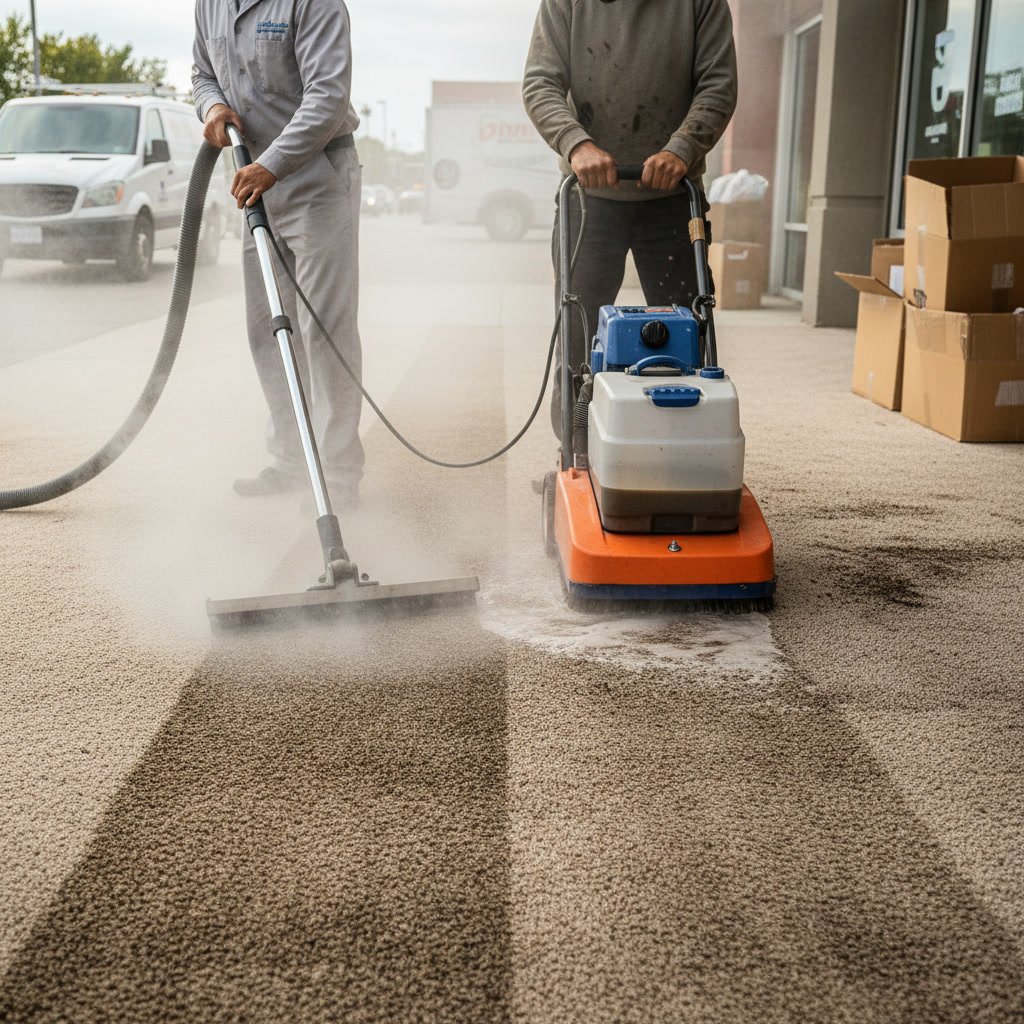
Professional commercial carpet cleaning addresses these issues with truck-mounted equipment that generates higher heat and suction than portable machines. The process removes embedded soil, kills bacteria, and extracts moisture more effectively than standard methods.
Stockton School Carpet Cleaning Requirements
California schools must follow Title 5 regulations that govern facility cleanliness and maintenance. These rules protect student health by requiring regular deep cleaning of all carpeted areas.
State and District Standards
The California Education Code requires schools to maintain clean, sanitary conditions at all times. While it does not specify exact carpet cleaning frequencies, most districts interpret this to mean professional extraction cleaning at least twice per year.
Stockton Unified School District recommends quarterly cleaning for high-traffic areas like cafeterias, main hallways, and administrative offices. Classrooms typically require professional cleaning twice yearly, at winter break and summer vacation.
Schools applying for federal funding through programs like Title I must document their cleaning and maintenance schedules. Failure to maintain carpets properly can affect grant eligibility and renewal.
Health Code Considerations
San Joaquin County health inspectors can cite schools for unsanitary carpet conditions. Visible stains, persistent odors, or signs of mold growth all trigger violations that require immediate correction.
Schools serving meals must pay special attention to carpeted areas near food service. These zones require monthly professional attention to prevent bacterial growth and pest attraction.
Classrooms housing students with asthma or allergies need more frequent cleaning. The American Lung Association recommends professional extraction every 60 to 90 days in these spaces to control dust mites and allergens.
Indoor Air Quality Standards
Assembly Bill 841 requires California schools to maintain healthy indoor air quality. Carpets act as air filters, trapping particles that would otherwise circulate through HVAC systems.
When carpets become saturated with trapped particles, they begin releasing contaminants back into the air. Professional commercial carpet cleaning Stockton services use hot water extraction to remove these accumulated pollutants.
Schools built before 1990 may have concerns about disturbing asbestos-containing materials beneath carpets. Licensed commercial cleaners understand these restrictions and follow proper protocols during service.
Office Building Carpet Maintenance Standards
Commercial office spaces follow different regulatory frameworks than schools, but the cleaning requirements often prove just as stringent.
Most commercial leases include clauses requiring tenants to maintain carpets in good condition. Landlords can withhold security deposits or charge for replacement if carpets show excessive wear from poor maintenance.
Professional office buildings typically schedule quarterly deep cleaning for common areas and semi-annual service for individual office suites. High-traffic zones like lobbies and conference rooms may need monthly attention.
OSHA and Worker Safety
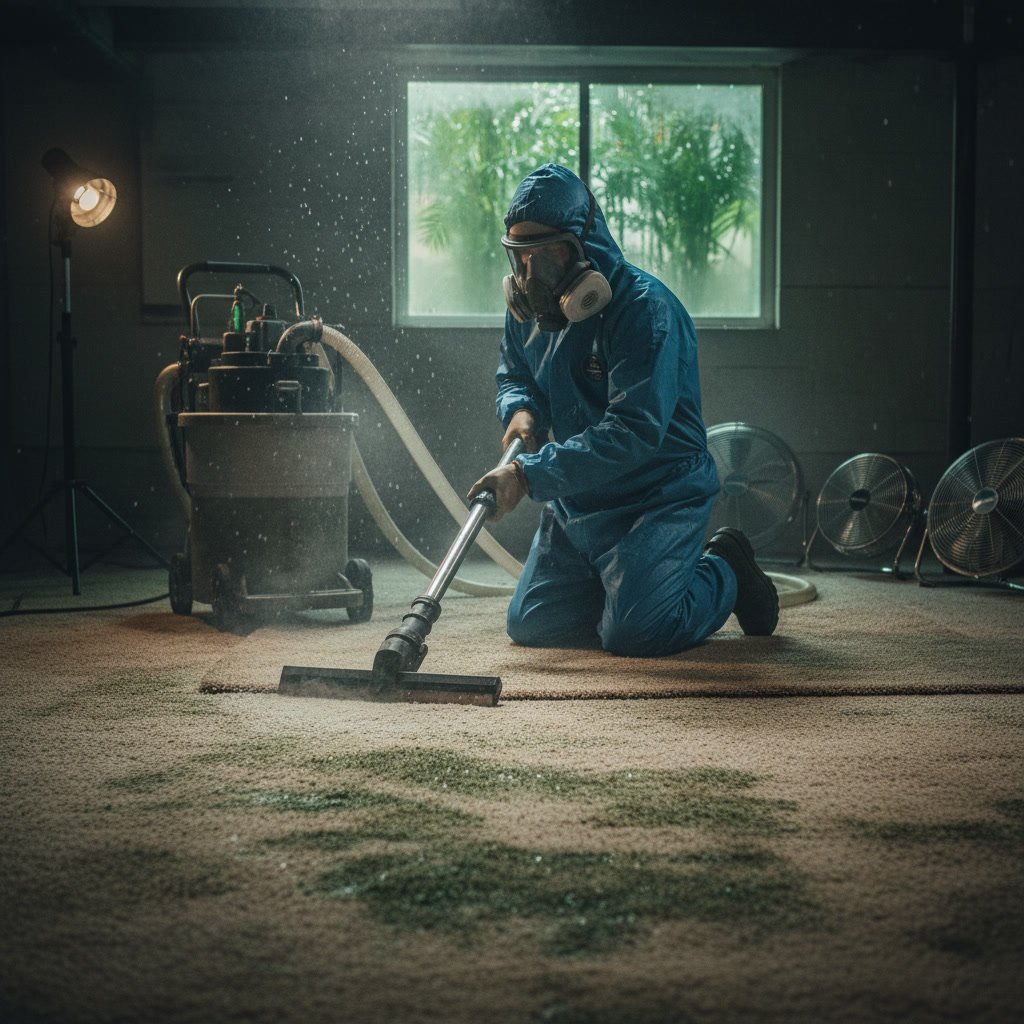
The Occupational Safety and Health Administration requires employers to maintain safe, sanitary workplaces. Moldy or excessively dirty carpets create respiratory hazards that violate these standards.
Employers can face citations and fines if workers file complaints about indoor air quality related to carpet conditions. Regular professional cleaning provides documentation that you are meeting your duty of care.
Slip-and-fall accidents on wet or bunched carpets represent another OSHA concern. Professional cleaners use equipment that extracts maximum moisture, allowing carpets to dry within four to six hours rather than the 24 to 48 hours typical of rental machines.
Insurance Requirements
Many commercial general liability policies include maintenance requirements as conditions of coverage. Failure to perform regular carpet cleaning can void claims related to mold, slip-and-fall accidents, or indoor air quality lawsuits.
Insurance carriers may request proof of regular professional cleaning after an incident. Invoices and service records from licensed commercial cleaners demonstrate your commitment to maintaining safe conditions.
Some policies offer premium discounts for facilities that follow preventive maintenance schedules, including carpet care. Check with your broker to see if regular professional service qualifies for reduced rates.
Frequency Guidelines by Facility Type
Different commercial spaces require different cleaning schedules based on traffic levels, use patterns, and regulatory requirements.
Elementary schools need the most aggressive schedules due to frequent spills, outdoor play bringing in dirt, and heightened health sensitivities of young children. Plan for professional extraction every 60 to 90 days in classrooms and monthly service in cafeterias.
Middle and high schools can often extend classroom cleaning to quarterly service, though athletic facilities and performing arts spaces may need monthly attention.
Professional offices with moderate traffic typically require quarterly service in common areas and semi-annual cleaning in private offices. Medical offices and facilities serving vulnerable populations should increase frequency to monthly or bi-monthly schedules.
Pro Tip: Carpet manufacturers require professional hot water extraction every 12 to 18 months to maintain warranty coverage. More frequent cleaning never voids warranties, but less frequent service can eliminate your ability to claim premature wear defects.
Churches, community centers, and other facilities with weekend-heavy use should schedule cleaning immediately after high-traffic events. A single wedding or conference can deposit more soil than weeks of normal use.
What Professional Commercial Carpet Cleaning Includes
Understanding what you are paying for helps you evaluate service providers and ensure you receive thorough work that meets regulatory standards.
Pre-Treatment and Spot Removal
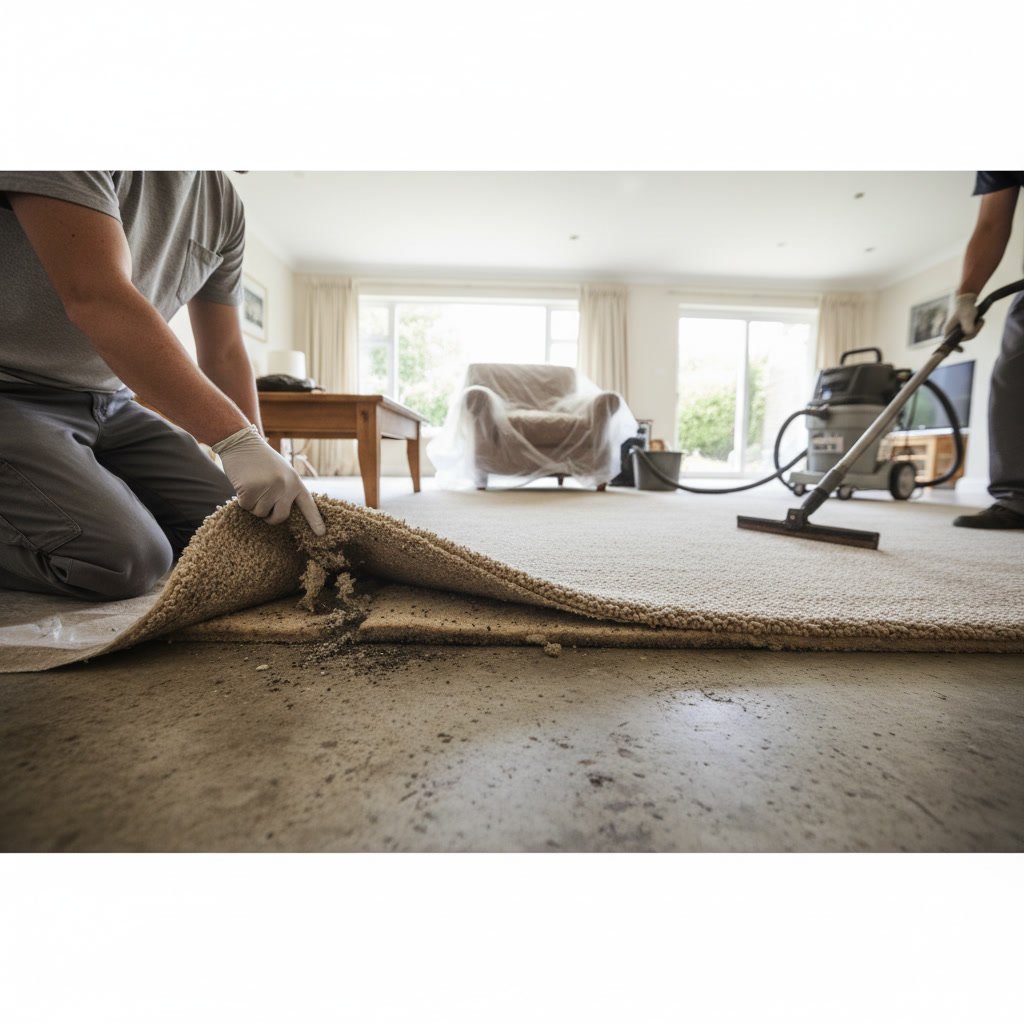
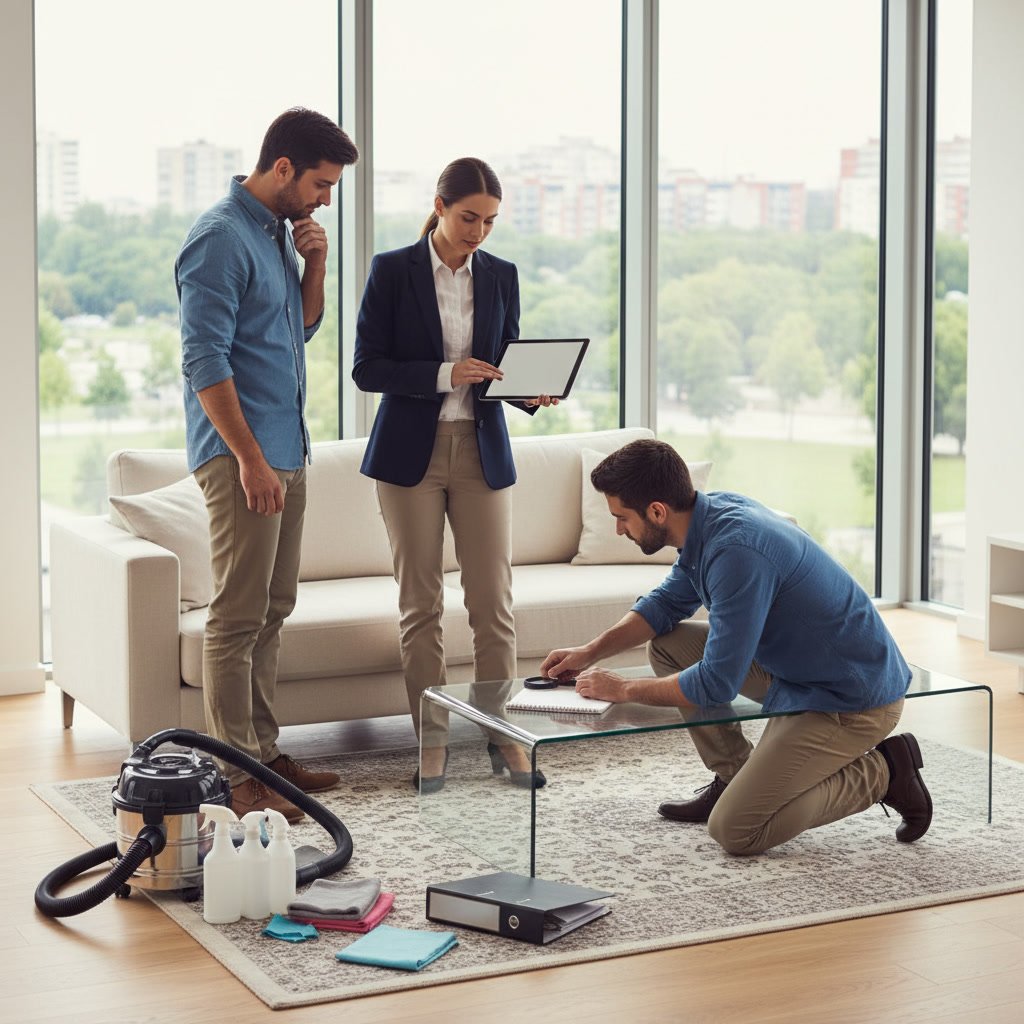
Professional commercial services begin with inspection to identify problem areas, traffic patterns, and stain types. Technicians apply targeted pre-treatments to break down oils, proteins, and tannins that cause persistent stains.
High-traffic lanes receive extra attention with specialized products that suspend embedded soil for easier extraction. This step makes the difference between surface cleaning and true deep cleaning that restores carpet appearance.
Hot Water Extraction
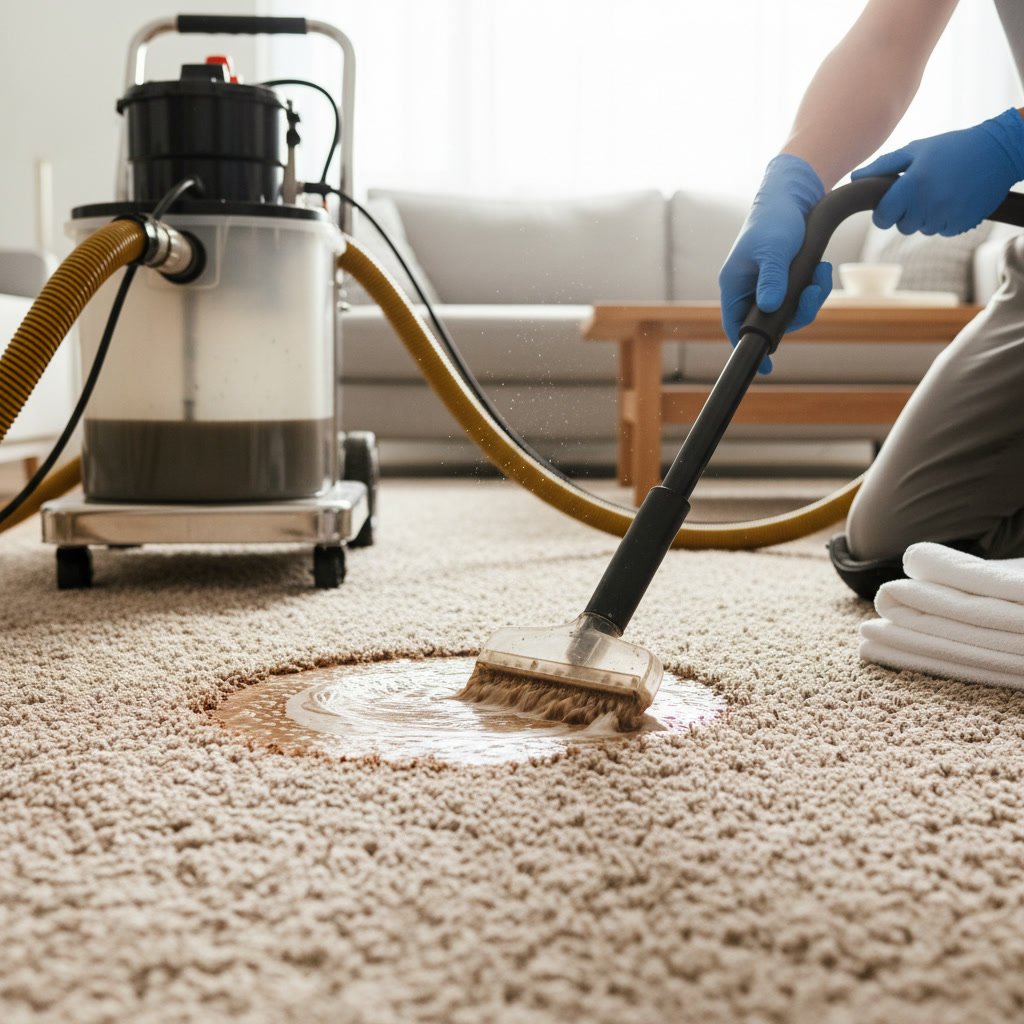
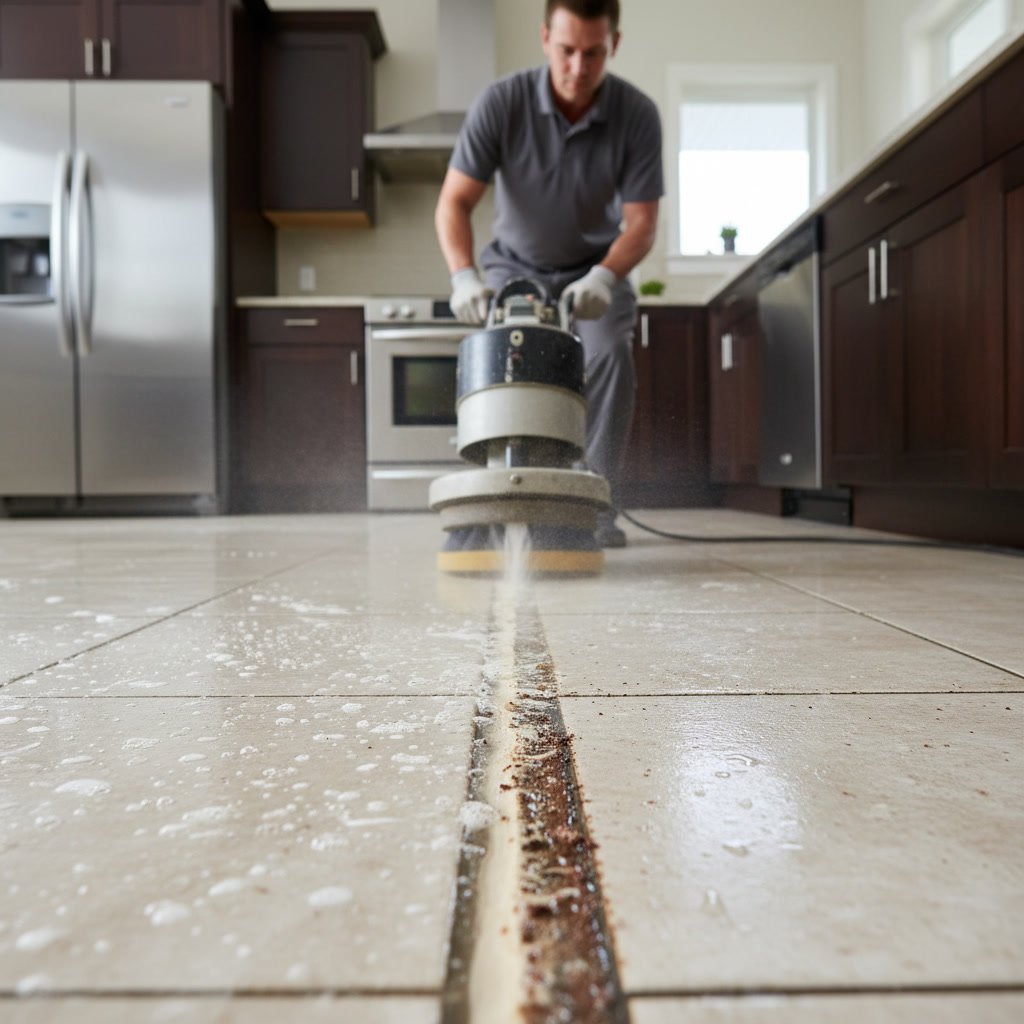
Truck-mounted systems heat water to 200 to 220 degrees, hot enough to kill dust mites, bacteria, and most mold spores. The heated solution flushes through carpet fibers under pressure, then powerful vacuums extract the dirty water.
This process removes 95% or more of moisture when performed correctly, allowing carpets to dry quickly and preventing mold growth. Portable machines cannot match this extraction power.
Professional commercial carpet cleaning Stockton services also use pH-balanced cleaning agents that rinse completely from fibers. Residue from improper cleaning attracts dirt and causes carpets to re-soil quickly.
Protective Treatments
Many commercial services offer optional fabric protectors that help carpets resist future staining. These treatments are especially valuable in schools and high-traffic offices where spills occur frequently.
Protectors work by coating individual carpet fibers with a barrier that prevents liquids from soaking in immediately. This gives staff time to blot spills before they set as permanent stains.
Anti-microbial treatments provide another layer of protection in healthcare facilities, daycares, and schools. These products inhibit bacterial and mold growth between professional cleanings.
Selecting a Commercial Carpet Cleaning Provider
Not all carpet cleaning companies have the equipment, training, or insurance to handle commercial facilities properly. Several factors separate qualified commercial providers from residential-focused companies.
Licensing and Insurance
Commercial cleaners working in schools must carry minimum liability coverage of one million dollars. Many districts require two million or more. Request certificates of insurance before allowing any contractor on site.
Verify that the company holds appropriate business licenses for San Joaquin County and any required contractor certifications. The Institute of Inspection, Cleaning and Restoration Certification (IICRC) offers commercial carpet cleaning certification that demonstrates advanced training.
Background checks are essential for anyone working in schools or facilities serving vulnerable populations. Qualified commercial providers conduct these screenings routinely and provide documentation upon request.
Equipment and Methods
Ask whether the company uses truck-mounted or portable equipment. While portables work for some residential jobs, commercial facilities require the power and capacity of truck-mounted systems.
Inquire about water temperature capabilities and extraction power measured in inches of lift. Professional systems should achieve 200-plus degree water temperature and 400 to 600 inches of water lift.
The cleaning method matters too. Hot water extraction (often called steam cleaning) is the only method recommended by major carpet manufacturers and the EPA for commercial facilities. Dry cleaning and encapsulation have limited applications but should not replace regular extraction.
Experience with Your Facility Type
Schools have different needs than medical offices or corporate campuses. Look for providers with documented experience in your specific facility type.
Ask for references from similar facilities and check online reviews that mention commercial work. Residential carpet cleaning experience does not automatically translate to commercial competence.
Grasso Carpet Cleaning has served commercial sites throughout Manteca, Stockton, and surrounding areas for over 50 years. The company works regularly with schools, nursing homes, office complexes, and churches, understanding the unique requirements each facility type demands.
Cost Factors and Budgeting
Commercial carpet cleaning pricing differs significantly from residential service. Understanding the cost structure helps you budget appropriately and evaluate quotes.
Most commercial providers charge by square footage rather than per room. Rates typically range from 15 to 35 cents per square foot depending on soil levels, furniture moving requirements, and treatment add-ons.
A 10,000 square foot office building might cost between 1,500 and 3,500 dollars for complete service. Schools often negotiate annual contracts covering multiple cleanings at reduced per-visit rates.
Extremely low bids often indicate inexperienced providers or companies planning to upsell once on site. Be skeptical of quotes that undercut competitors by more than 20 to 30 percent.
Key Takeaway: Schedule commercial carpet cleaning during off-hours or low-occupancy periods to minimize disruption. Many providers offer evening and weekend service at standard rates for commercial clients.
Factor replacement costs into your maintenance budget decisions. Professional cleaning every 90 days extends carpet life by three to five years compared to annual-only service. This preventive maintenance saves thousands in premature replacement costs.
Environmental and Health Considerations
Schools and offices increasingly prioritize green cleaning products and methods that protect occupant health while reducing environmental impact.
Look for providers using Green Seal certified or EPA Safer Choice products. These cleaning agents deliver professional results without harsh chemicals that trigger asthma or allergies.
Water conservation matters too. Efficient truck-mounted systems use less water than portable machines while achieving better results. Ask about water usage rates if your facility tracks environmental metrics.
Proper wastewater disposal protects local water quality. Professional commercial carpet cleaning Stockton companies capture and dispose of dirty water according to county regulations rather than dumping it into storm drains.
Carbon monoxide from truck-mounted equipment parked near buildings can enter HVAC intakes. Qualified commercial cleaners position trucks downwind and monitor indoor air during service.
Maintaining Carpets Between Professional Cleanings
Professional extraction cleaning forms the foundation of carpet maintenance, but daily and weekly care extends those results and protects your investment.
Vacuum high-traffic areas daily using commercial machines with HEPA filtration. Residential vacuums lack the suction power and filtration needed for commercial applications.
Address spills immediately using blotting techniques rather than rubbing. Keep spot cleaning supplies accessible to custodial staff and train them on proper use.
Entry mats capture 70 to 80 percent of incoming soil when properly sized and maintained. Place mats extending at least 12 feet inside every entrance and clean them weekly.
Implement a no-food policy in carpeted areas whenever possible. If eating must occur on carpets, increase vacuuming frequency and schedule more frequent professional service.
Rotate furniture periodically to change traffic patterns and prevent permanent wear lanes. This simple step can add years to carpet life in offices and classrooms.
Frequently Asked Questions
How often do schools need professional carpet cleaning?
California schools should schedule professional hot water extraction at least twice per year in classrooms and quarterly in high-traffic areas like hallways and cafeterias. Schools with students who have respiratory sensitivities may need service every 60 to 90 days. Summer vacation and winter break provide ideal timing to minimize disruption.
What is the difference between commercial and residential carpet cleaning?
Commercial services use truck-mounted equipment that generates higher heat and extraction power than residential portable machines. Commercial cleaners also carry higher insurance limits, undergo background checks for school work, and understand regulatory requirements for public facilities. The cleaning process itself is more thorough to address heavier soil loads.
How long does commercial carpet take to dry after cleaning?
Properly performed hot water extraction with truck-mounted equipment dries carpets in four to six hours under normal conditions. Portable machines may take 24 to 48 hours. Factors affecting dry time include humidity levels, air circulation, carpet thickness, and how much water the equipment extracts. Professional services should leave carpets only slightly damp to the touch.
Can dirty carpets affect student test scores and employee productivity?
Research shows that indoor air quality directly impacts cognitive function and concentration. Dirty carpets release allergens and particulates that worsen air quality, potentially affecting both student performance and worker productivity. The EPA identifies carpet maintenance as a key factor in maintaining healthy indoor environments in schools and offices.
Do carpet warranties require professional cleaning?
Yes, most commercial carpet manufacturers require professional hot water extraction every 12 to 18 months to maintain warranty coverage. You must keep service records as proof of compliance. Failure to meet these requirements can void your ability to claim manufacturing defects or premature wear under warranty terms.
Meeting Stockton Standards with Professional Service
Commercial facilities in Stockton face specific cleaning requirements driven by health codes, insurance policies, and manufacturer warranties. Regular professional carpet cleaning protects indoor air quality, extends carpet life, and demonstrates your commitment to maintaining safe, healthy spaces for students, employees, and visitors.
Grasso Carpet Cleaning brings over 50 years of experience serving schools, offices, and commercial facilities throughout Stockton, Manteca, and the Central Valley. The company uses environmentally safe products, maintains full commercial insurance, and stands behind every job with a 100% guarantee. If your facility needs reliable commercial carpet cleaning Stockton can depend on, call +12092392906 to schedule a consultation and receive a detailed quote tailored to your specific requirements.