Carpet padding damage can make professional cleaning feel like a waste of money because the underlying support layer holds moisture, odors, and contaminants that resurface days after treatment. When padding deteriorates, it loses the ability to cushion fibers and absorb impact, causing carpets to mat down quickly, develop permanent impressions, and trap dirt that no surface cleaning can reach. Recognizing the signs early prevents costly carpet replacement and helps you understand why some stains or smells keep coming back despite repeated cleaning attempts.
Why Carpet Padding Matters More Than Most Homeowners Realize
Padding serves as the foundation for every carpeted floor in your home. It absorbs foot traffic impact, extends carpet life by reducing fiber wear, and provides insulation and noise dampening. Quality padding typically lasts 10 to 15 years under normal conditions, but water damage, pet accidents, or basement moisture can destroy it in months.
When padding fails, the carpet above it suffers immediately. Fibers compress against hard subfloor instead of rebounding against cushioned support. Dirt particles grind deeper into the weave because nothing absorbs the downward pressure. Professional cleaning can refresh surface fibers, but if the padding underneath remains saturated or crumbled, problems return within days.
How Damaged Padding Undermines Professional Carpet Cleaning in Tracy
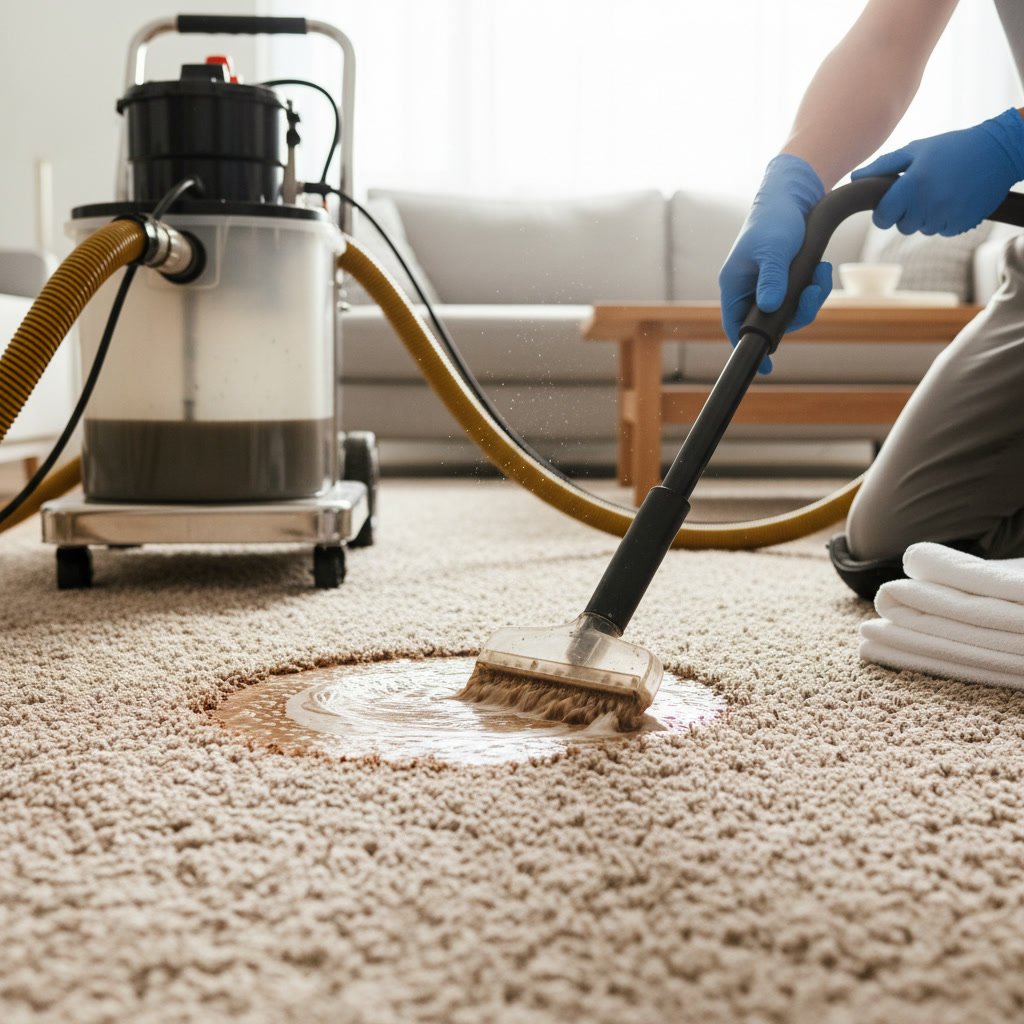
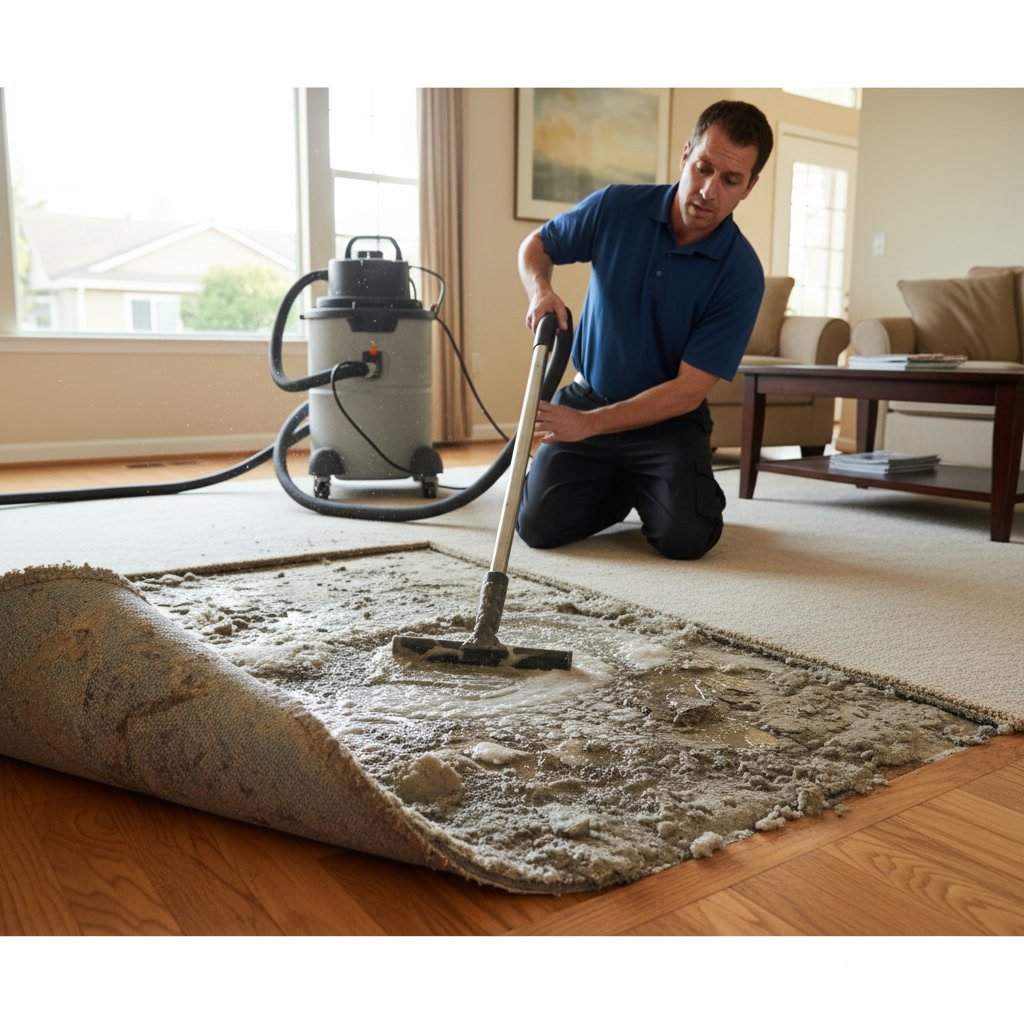
Even the most thorough carpet cleaning session cannot fix what lies beneath the carpet surface. When technicians extract dirt and moisture from fibers, damaged padding acts like a sponge that refuses to dry. It holds onto contaminants, then wicks them back up into the carpet as humidity levels change.
This wicking effect explains why some carpets look perfect immediately after cleaning but develop brown spots or musty odors within 48 hours. The padding has become a reservoir for soil, urine crystals, or mildew that migrates upward through capillary action. No amount of surface cleaning addresses the root cause when the problem lives in the padding layer.
Unpleasant Odors That Return Days After Cleaning
One of the clearest signs of padding failure is persistent smell. If your carpet smells fresh for a day or two after professional treatment, then gradually returns to a musty or sour odor, the padding likely holds decomposed organic matter. Pet urine penetrates through carpet backing into padding, where it crystallizes and becomes nearly impossible to remove without replacing the affected section.
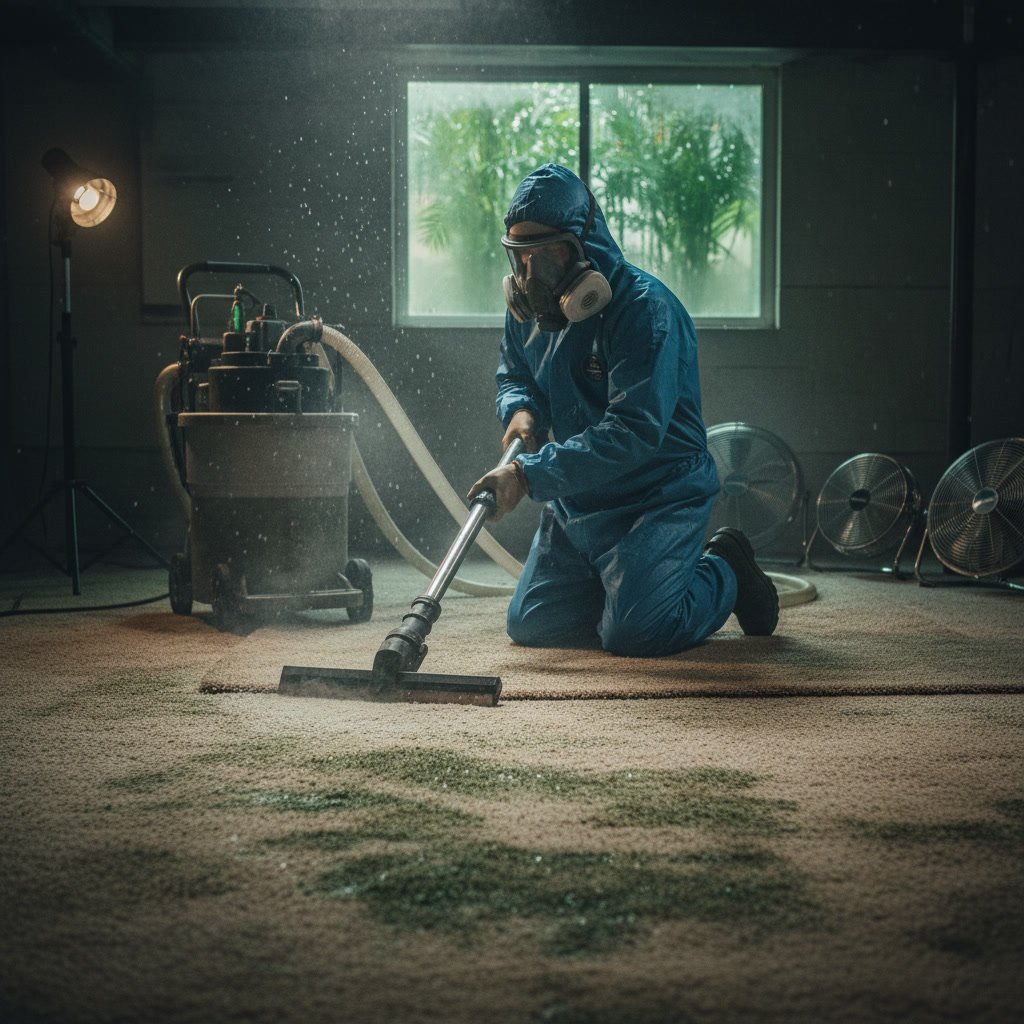
Mildew also thrives in damp padding, especially in basements or areas with poor ventilation. Once mold spores colonize the foam or felt layers, surface treatments cannot eliminate them. The odor may fade temporarily when carpet fibers dry, but humidity brings it roaring back because the fungal growth remains active in the padding below.
Visible Discoloration and Stains That Reappear
Stains that vanish after cleaning but reappear within a week usually indicate trapped soil in the padding. When technicians flush the carpet, water flows down into the pad, loosening embedded dirt. As the carpet dries, that dirty moisture wicks back up through the fibers, depositing the soil right back where it started.
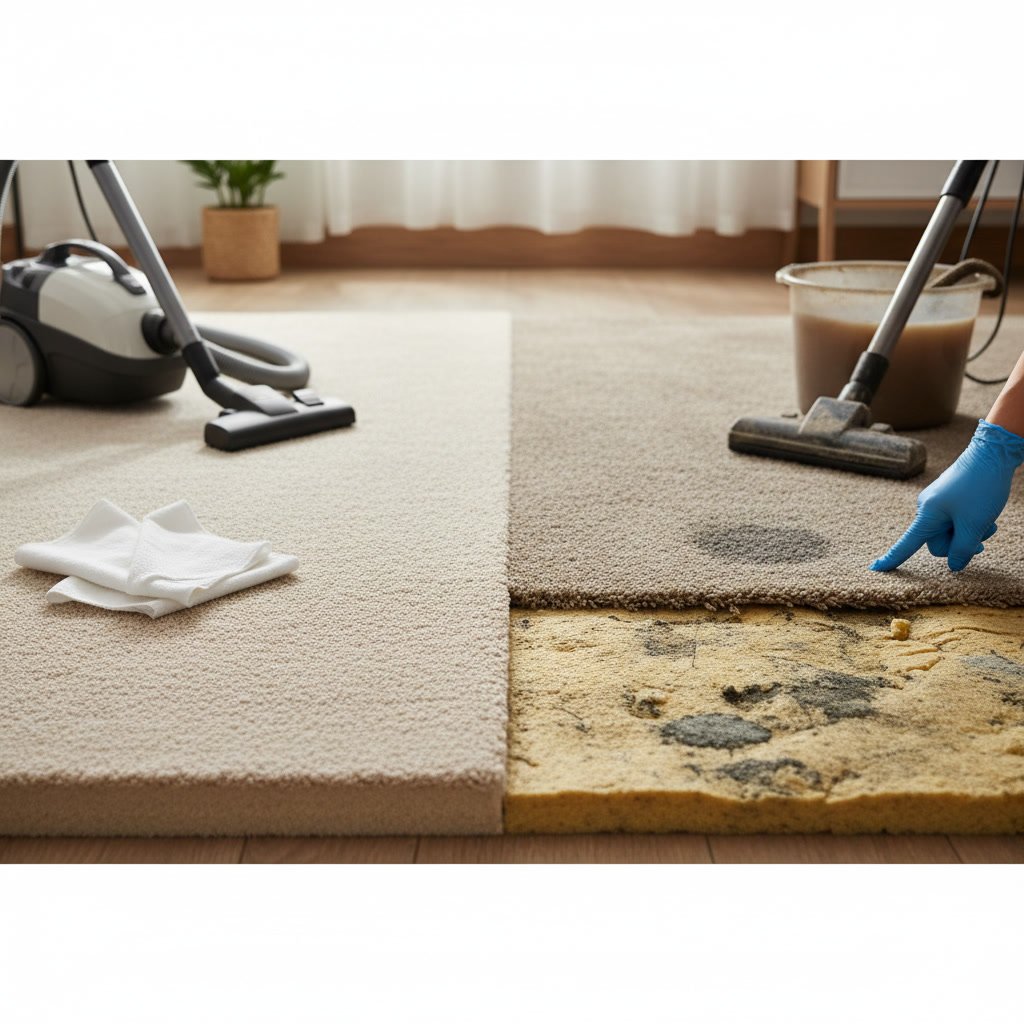
Brown or yellow spots appearing in geometric patterns, often along seams or high-traffic lanes, signal advanced padding breakdown. These discolorations come from latex backing deterioration or cellulose fiber decomposition in the pad itself. No cleaning method can reverse chemical breakdown, only replacement restores the carpet system.
Uneven Surface Texture and Permanent Indentations
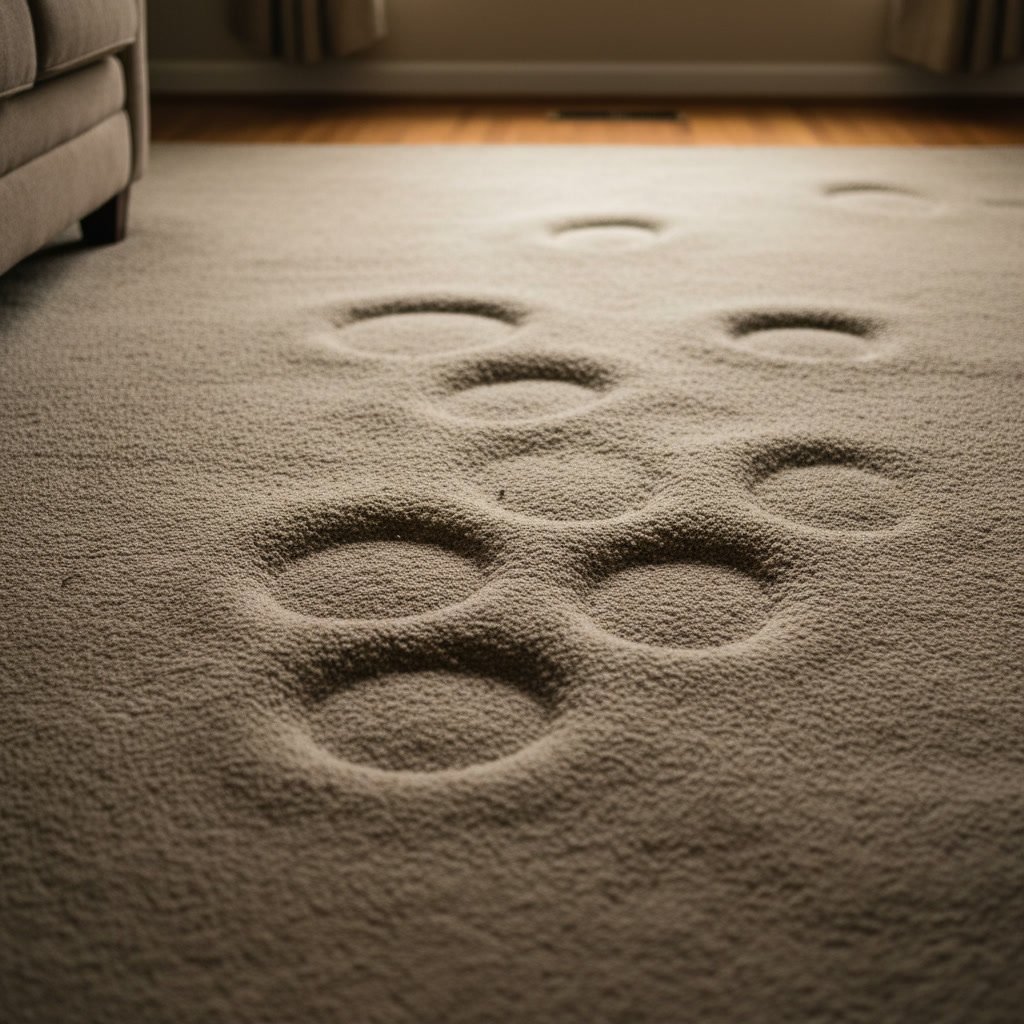
Healthy padding helps carpet fibers bounce back after compression. When you notice furniture marks that never disappear or traffic lanes that remain matted despite professional cleaning, the padding has lost its resilience. Foam padding crumbles over time, while felt padding compresses into hard, dense sheets that provide no cushioning.
Run your hand across different areas of your carpet. If some sections feel thin and hard while others retain a plush give, the padding beneath has failed in those spots. This uneven support accelerates wear in the thin areas because fibers grind directly against the subfloor with every step.
Excessive Moisture Retention and Slow Drying Times
Standard carpet cleaning should leave floors dry to the touch within six to eight hours. If your carpet remains damp for 24 hours or longer, the padding is holding excess water. Degraded padding loses the open-cell structure that allows air circulation, trapping moisture against the subfloor.
Prolonged moisture creates an ideal environment for mold growth, which can spread to walls and baseboards. Similar to issues that arise when allergens and dust mites accumulate in upholstery, trapped moisture in padding harbors biological contaminants that affect indoor air quality throughout your home.
Crackling or Crunching Sounds When Walking on Carpet
Deteriorated padding often produces audible signs. If you hear crackling, crunching, or rustling noises underfoot, the foam has broken into fragments or the felt has separated into layers. This acoustic feedback indicates structural failure that no cleaning can repair.
Water-damaged padding sometimes develops a squishy sound accompanied by a wet feeling, even when the carpet surface appears dry. This occurs when padding retains liquid in pockets that compress and release with each step. The situation demands immediate attention because standing water beneath carpet promotes mold and can damage wooden subfloors.
When to Inspect Padding Before Scheduling a Cleaning
Three situations warrant padding inspection before you invest in professional cleaning. First, if your home experienced any water intrusion from floods, appliance leaks, or roof damage, assume the padding absorbed moisture. Second, if you purchased a home with existing carpet and have no maintenance history, check the pad condition before cleaning. Third, if previous cleanings produced disappointing results with stains or odors returning quickly, the padding likely needs replacement.
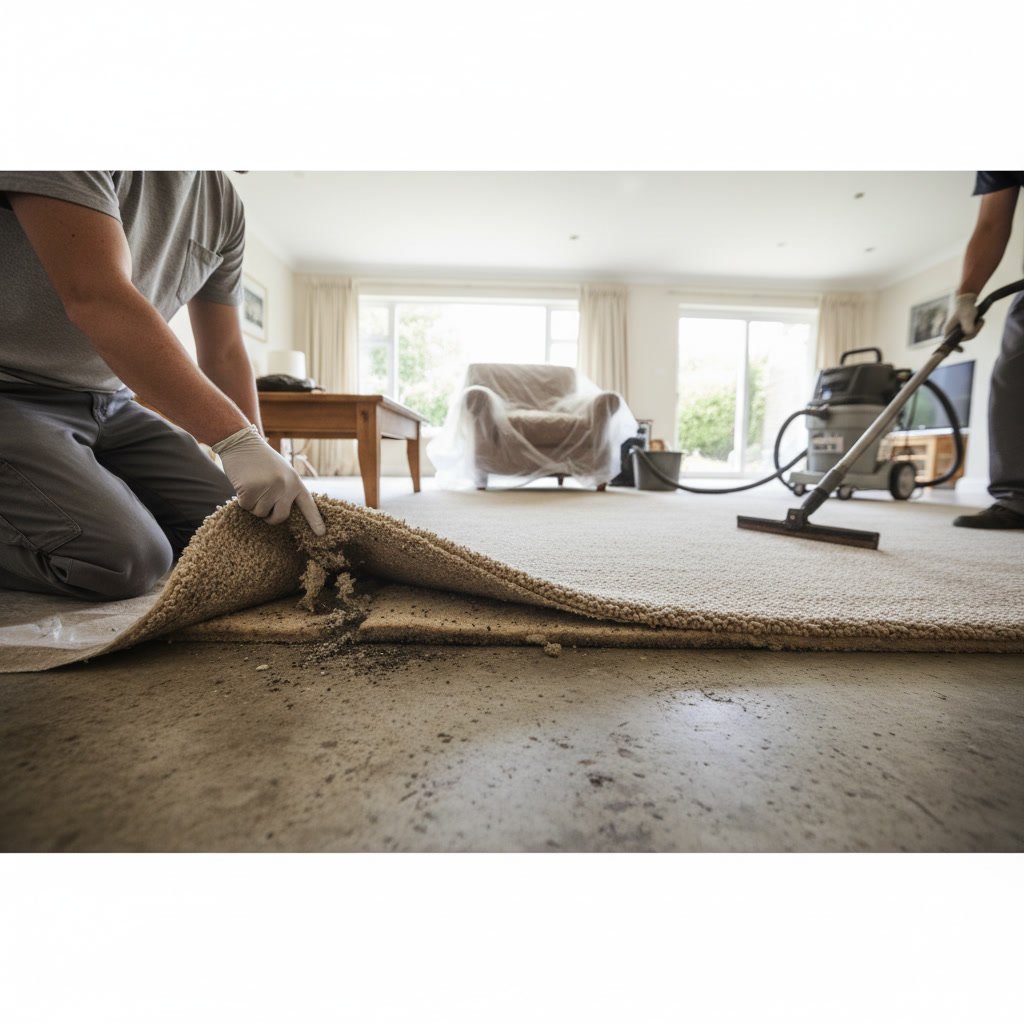
A cleaning consultation can determine whether your carpet system will respond well to professional treatment or requires padding replacement first. Technicians can lift a corner of the carpet to visually inspect padding color, texture, and odor without damaging the installation.
The Relationship Between Padding Quality and Cleaning Frequency
High-quality padding extends the time between necessary cleanings because it prevents soil from grinding into carpet fibers. Dense foam or thick felt provides enough cushion to absorb impact energy, keeping dirt particles near the surface where vacuuming removes them easily.
Homes with degraded padding often require cleaning every three to six months because dirt embeds quickly into compressed fibers. Replacing worn padding can reduce cleaning frequency to the standard 12 to 18 months for most households. The upfront investment in new padding saves money over time through reduced cleaning needs and extended carpet life.
How Commercial Spaces Manage Padding Deterioration
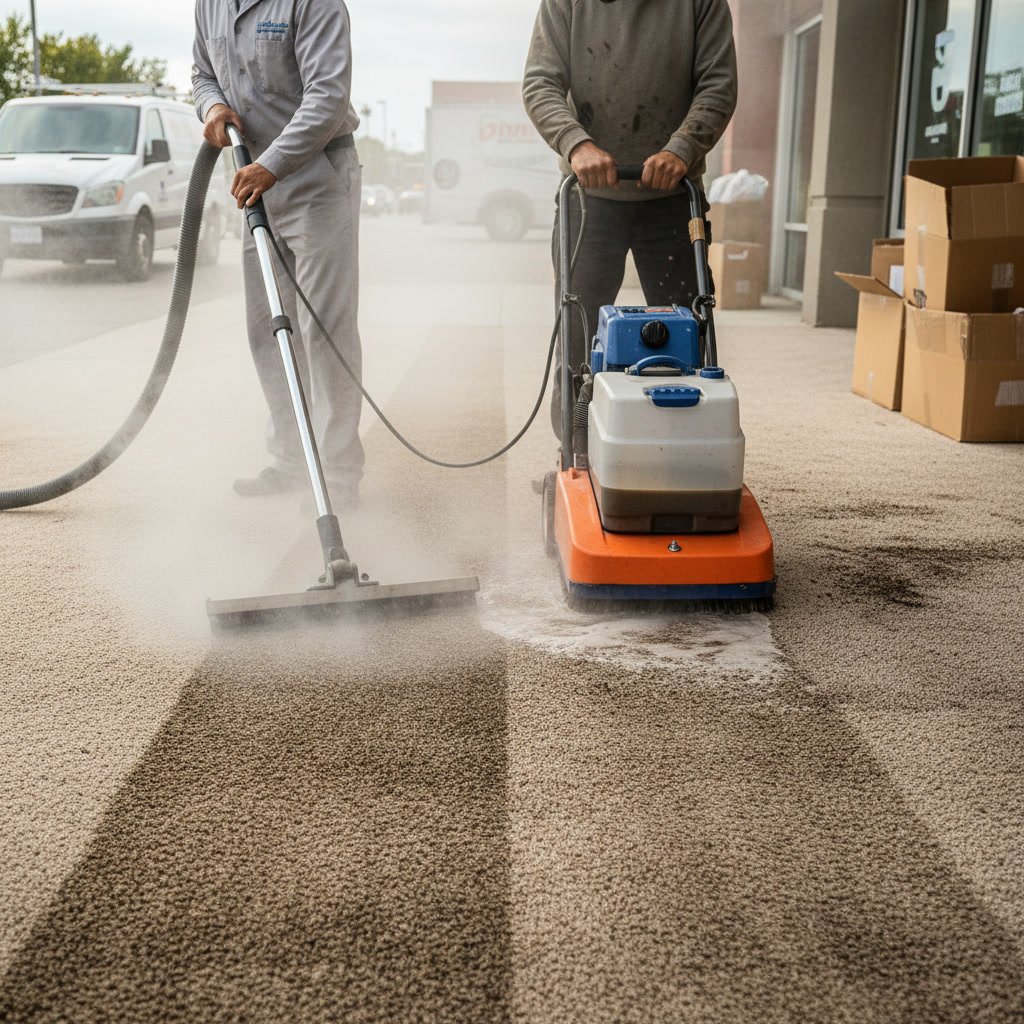
Commercial environments face accelerated padding wear due to constant foot traffic. Office buildings, schools, and churches typically plan for padding replacement every five to seven years as part of routine maintenance. Many facilities use higher-density padding rated for commercial use, which costs more initially but withstands heavy use without crumbling.
Understanding commercial carpet cleaning requirements reveals that maintenance schedules account for padding condition as a factor in cleaning effectiveness. Facility managers coordinate padding replacement with carpet cleaning to maximize results and avoid the frustration of recurring problems from failed underlayment.
Protecting Your Investment With the Right Maintenance Approach
Once you identify carpet padding damage, you face two paths forward. Minor issues confined to small areas, such as a single pet accident spot, may respond to targeted padding replacement. Technicians can cut out the damaged section, install fresh padding, and seam the carpet back into place. This approach works when damage covers less than 10 percent of the room.
Widespread deterioration requires full padding replacement before any cleaning delivers lasting results. Attempting to clean carpet over failed padding wastes money and creates false expectations. Grasso Carpet Cleaning can assess your specific situation and recommend the most cost-effective solution based on the extent of padding damage and your carpet’s remaining lifespan.
For homes in Modesto and surrounding areas with older carpet installations, proactive padding inspection prevents the disappointment of paying for cleaning that cannot succeed. Regular vacuuming, prompt spill cleanup, and controlling indoor humidity all extend padding life and keep your carpet system functioning as designed.
Making Informed Decisions About Your Carpet System
Recognizing padding deterioration empowers you to make smart choices about carpet maintenance. When you understand that the cushion layer directly affects cleaning results, you can set realistic expectations and avoid repeated treatments that address symptoms rather than causes. Damaged padding requires replacement, not repeated cleaning attempts.
Professional evaluation saves you from guessing whether stains will return or odors will persist. An experienced technician can identify padding problems immediately and explain how they impact cleaning outcomes. This transparency helps you decide whether to invest in cleaning, padding replacement, or full carpet renewal based on your specific circumstances.
Grasso Carpet Cleaning has served families throughout the region for over 50 years, building expertise in diagnosing carpet system problems that go beyond surface dirt. Whether you need a straightforward cleaning or a comprehensive assessment of padding condition, our team provides honest recommendations that prioritize your long-term satisfaction. Reach out at +12092392906 to schedule an evaluation and discover the right solution for your floors.