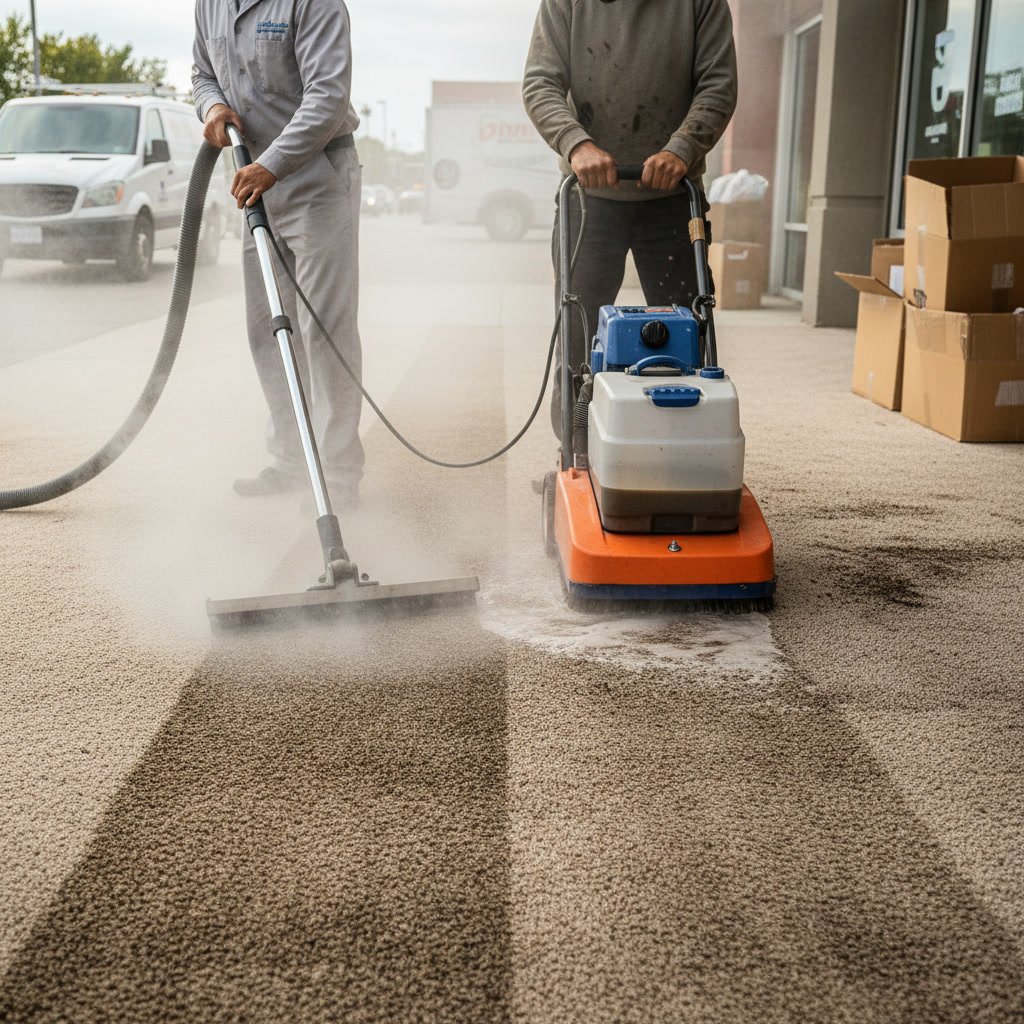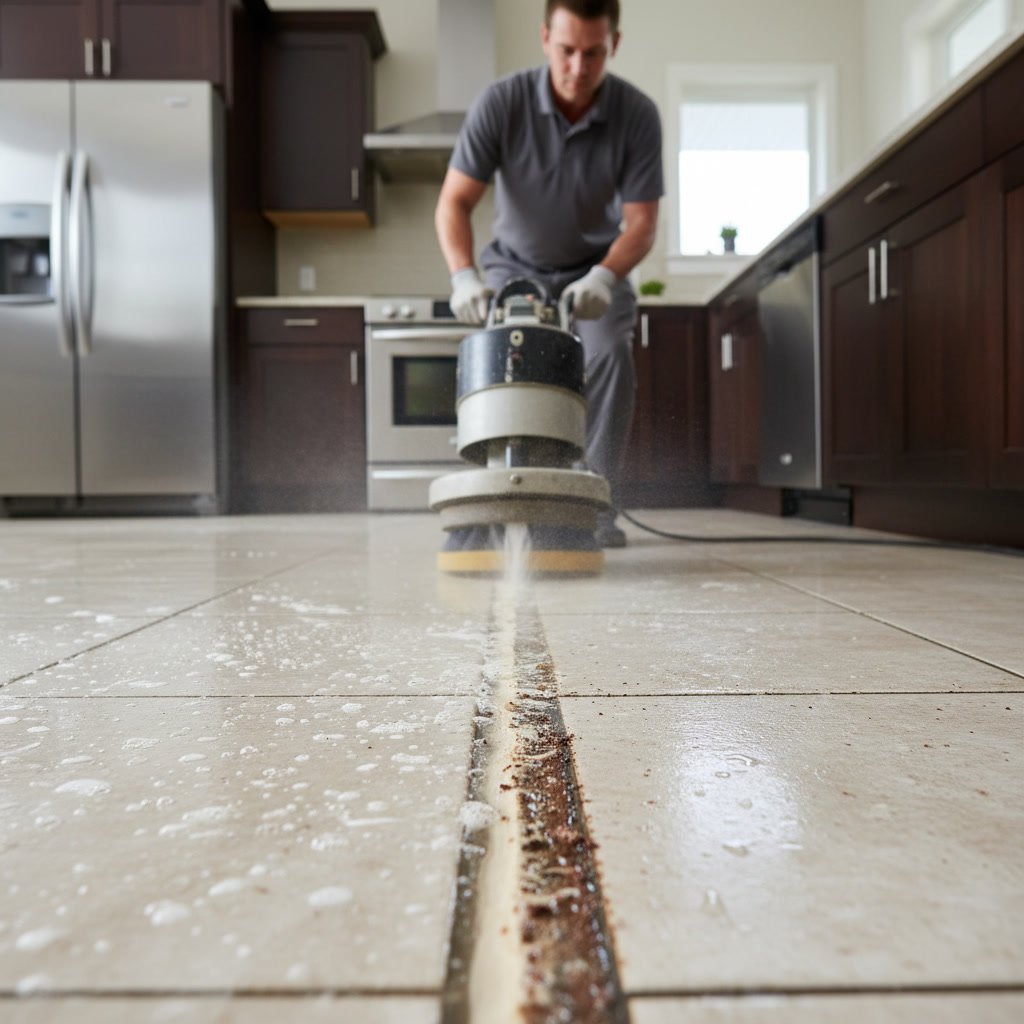
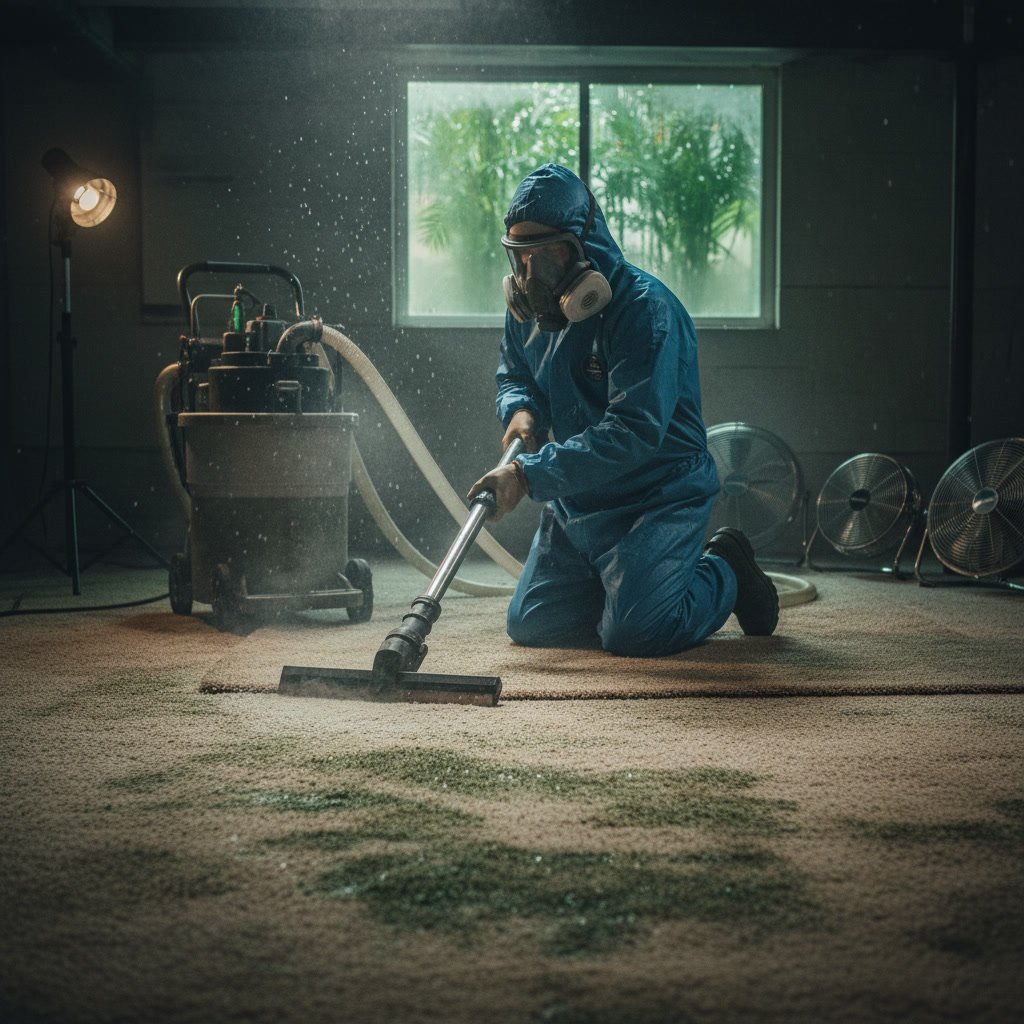
Professional carpet cleaning mold removal targets both visible growth and microscopic spores using high-temperature water extraction, antimicrobial treatments, and industrial drying equipment. The process eliminates mold colonies embedded deep in carpet fibers and padding, while antimicrobial agents create a hostile environment that prevents regrowth. Proper moisture control and thorough drying complete the treatment, addressing the root cause of mold development in humid conditions.
Why Mold Grows in Carpets Even in Moderate Climates
Mold spores exist everywhere, waiting for the right conditions to colonize. Carpets provide an ideal breeding ground when three factors align: moisture, organic material, and warmth. You don’t need a flooded basement for mold to take hold. High indoor humidity above 60%, slow-drying spills, or even condensation from temperature fluctuations can create enough moisture for spores to germinate within 24 to 48 hours.
Carpet fibers trap dust, skin cells, pet dander, and food particles, all organic materials that feed mold colonies. The padding beneath your carpet often holds moisture longer than the visible surface, creating a hidden reservoir where mold thrives undetected. By the time you notice a musty smell or visible discoloration, the contamination has usually spread throughout the carpet backing and subfloor.
The Health Risks of Mold Contamination in Indoor Carpeting
Mold releases spores and mycotoxins into the air you breathe. These particles trigger allergic reactions, respiratory irritation, and asthma attacks in sensitive individuals. Children, elderly family members, and anyone with compromised immune systems face greater health risks from prolonged mold exposure. Common symptoms include persistent coughing, sneezing, itchy eyes, skin rashes, and chronic fatigue that residents often attribute to seasonal allergies rather than indoor air quality.
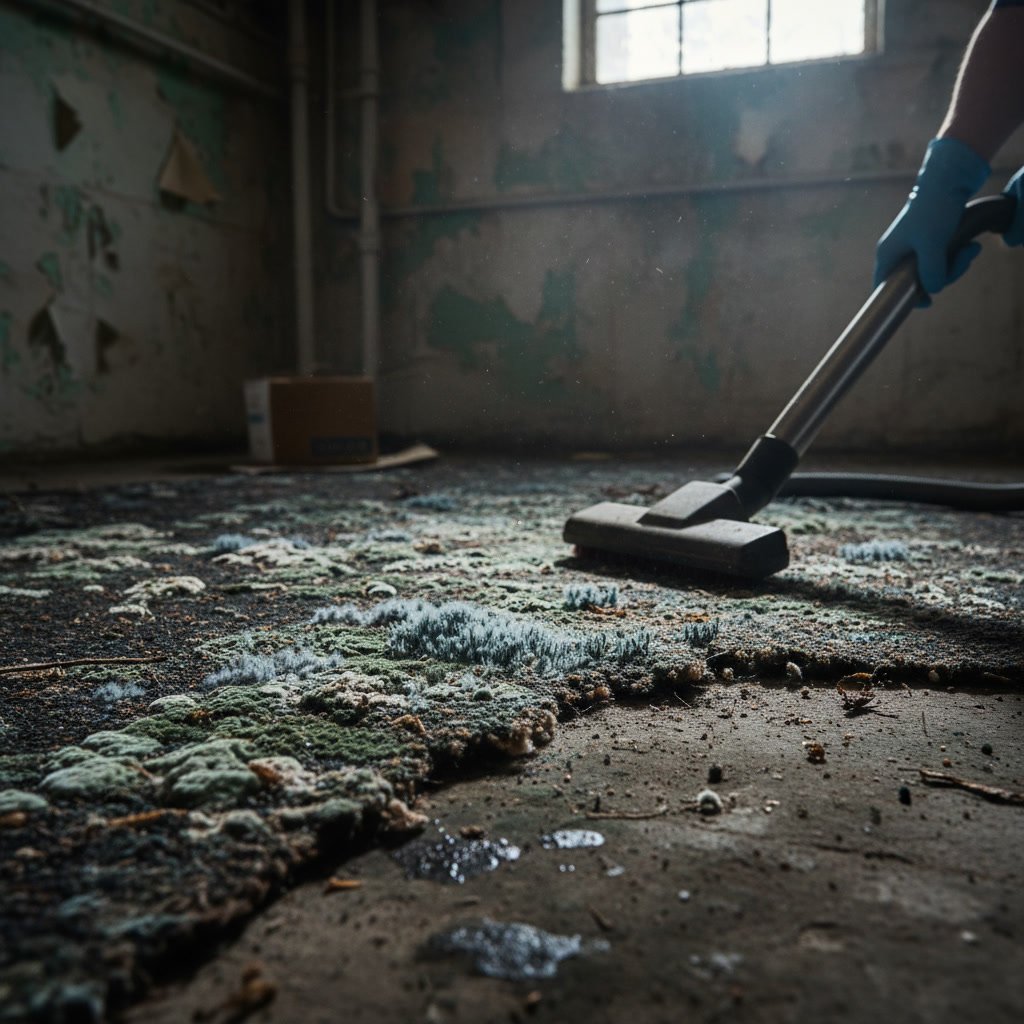
Black mold, or Stachybotrys chartarum, produces particularly dangerous mycotoxins. While not every dark spot on carpet indicates black mold, any visible growth warrants immediate professional attention. The longer mold remains in your carpeting, the deeper it penetrates and the more difficult it becomes to remediate completely.
How Hot Water Extraction Destroys Mold at the Source
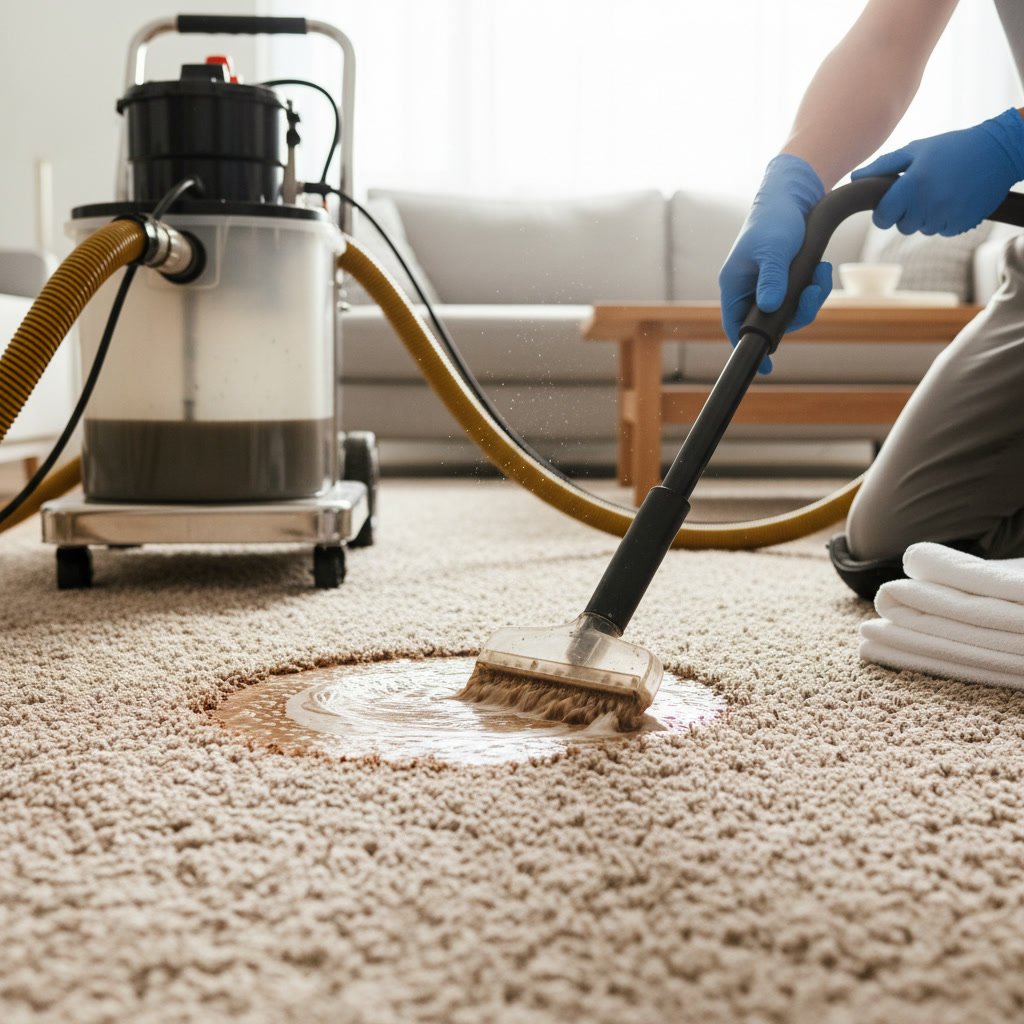
Hot water extraction, also called steam cleaning, remains the most effective method for mold removal from carpets. Professional equipment heats water to temperatures between 150 and 200 degrees Fahrenheit, hot enough to kill mold spores on contact. The pressurized injection forces cleaning solution deep into carpet fibers, backing, and padding where mold hides from surface treatments.
The extraction phase immediately removes the water along with dead spores, mycotoxins, and contaminated debris. This simultaneous cleaning and removal prevents spores from redistributing throughout your home. Consumer-grade carpet cleaners lack the heat intensity and suction power needed to reach mold colonies in carpet padding or to extract sufficient moisture that could fuel regrowth.
Antimicrobial Treatments That Stop Regrowth
After extraction removes existing mold, antimicrobial treatments create a protective barrier against future colonization. Professional-grade antimicrobials contain active ingredients like quaternary ammonium compounds or hydrogen peroxide formulations that alter the carpet environment to prevent spore germination. These treatments bond to carpet fibers and remain effective for months, providing ongoing protection in humid conditions.
The application timing matters significantly. Antimicrobial agents work best when applied to clean, slightly damp fibers immediately after hot water extraction. The remaining moisture helps distribute the treatment evenly throughout the carpet structure. Environmental safety is critical when selecting antimicrobials, especially in homes with children and pets. Professional carpet cleaning services use EPA-registered products that balance effectiveness with household safety.
The Critical Role of Complete Moisture Removal
Mold cannot grow without moisture. Even after removing existing contamination, carpets that remain damp will quickly develop new growth. Professional equipment includes industrial air movers and dehumidifiers that reduce drying time from days to hours. Proper airflow prevents moisture from settling into padding or subflooring, the hidden areas where homeowners cannot monitor drying progress.
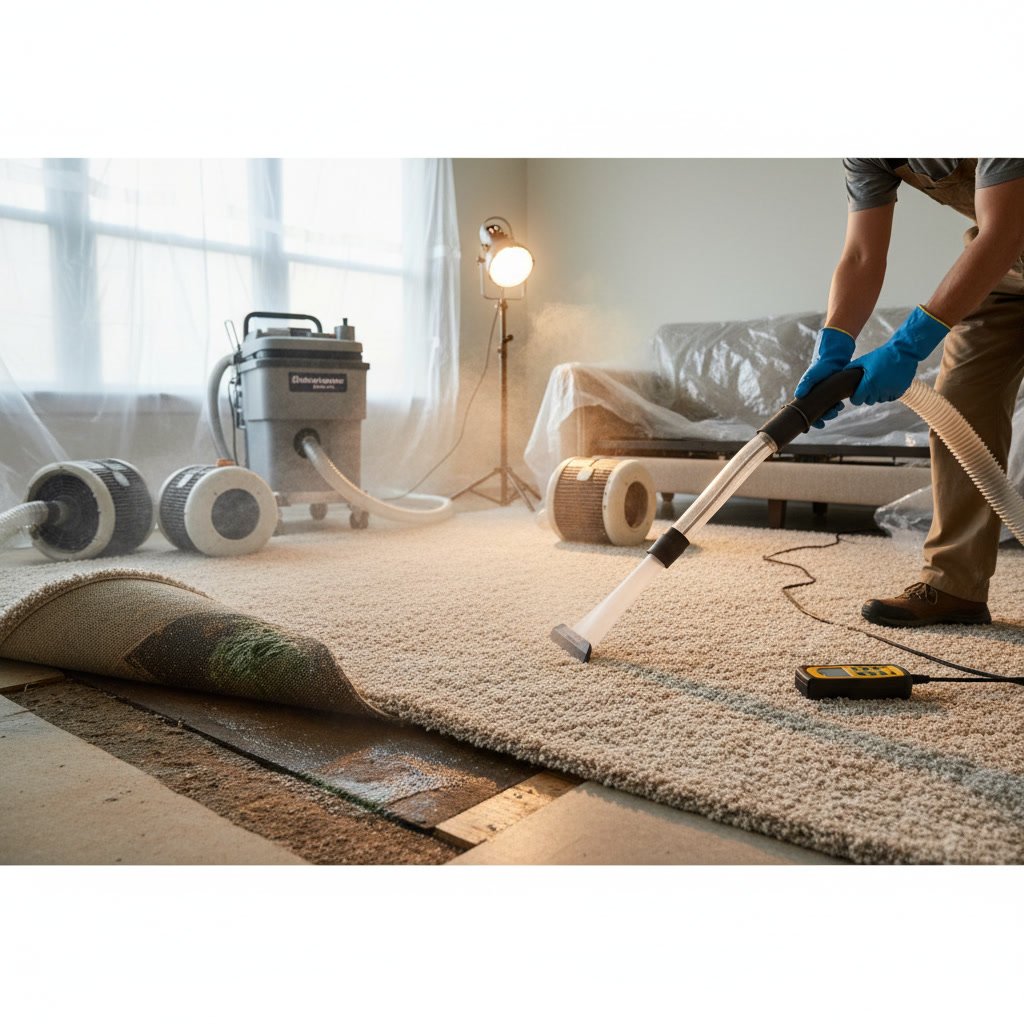
Moisture meters provide objective measurements of carpet dampness levels throughout the drying process. Professionals continue ventilation until readings drop below 15% moisture content, the threshold where mold cannot establish colonies. This scientific approach eliminates guesswork and ensures thorough drying that DIY methods cannot achieve.
Professional Carpet Cleaning Mold Services in Tracy Homes
Central Valley humidity fluctuations create challenging conditions for carpet maintenance. Summer temperatures drive air conditioning use that generates condensation, while winter heating can trap moisture indoors. Grasso Carpet Cleaning has served families throughout the region for over 50 years, developing expertise in mold prevention strategies specific to local climate patterns.
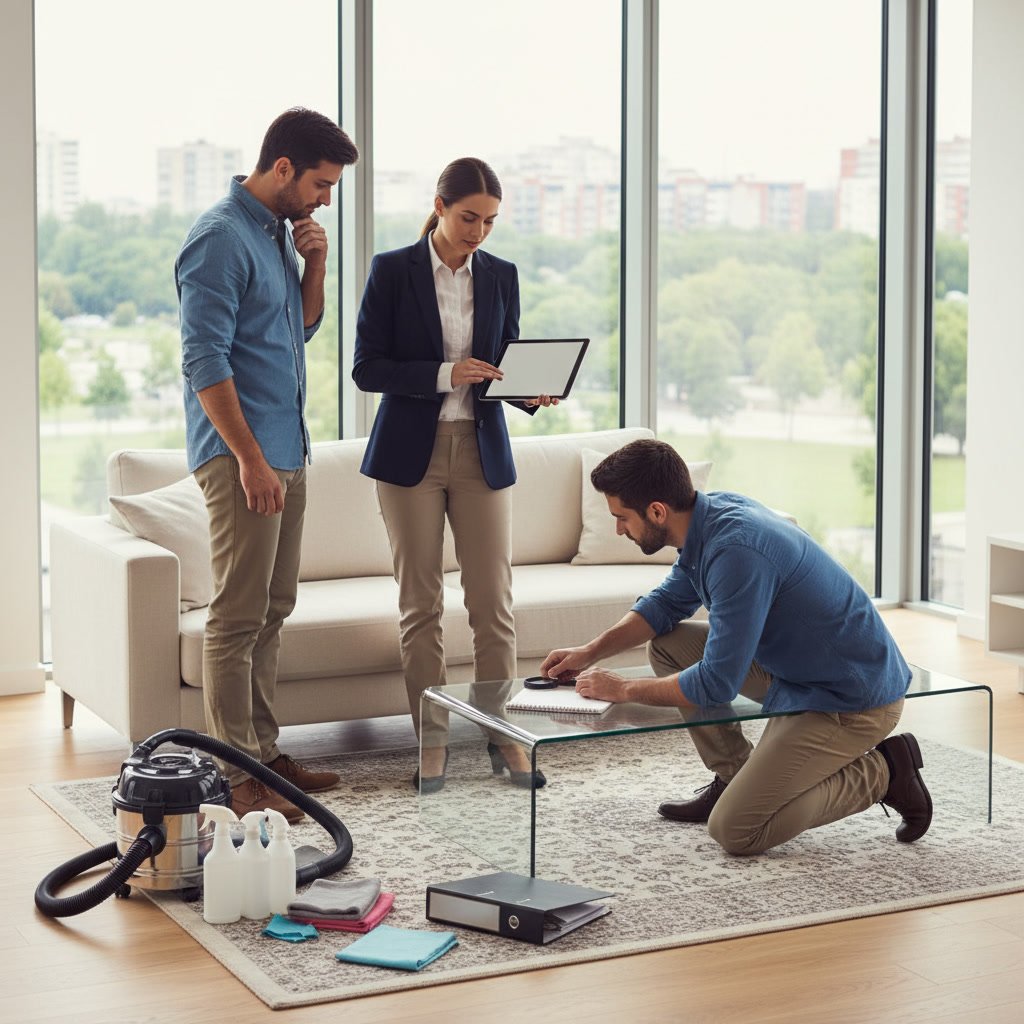
Professional assessment identifies risk factors in your home before they become contamination problems. Technicians inspect carpet padding condition, check for water intrusion points, and measure indoor humidity levels. This comprehensive evaluation informs treatment plans that address your specific situation rather than applying generic solutions.
When to Choose Professional Service Over DIY Attempts
Small surface mold spots smaller than three square feet might respond to immediate DIY cleaning if you catch them within hours of moisture exposure. Anything larger, older, or affecting carpet padding requires professional intervention. The depth of mold penetration determines whether carpet can be saved or needs replacement. Professionals use moisture detection tools and visual inspection to make this determination accurately.
Hidden mold growth often exceeds visible contamination by a factor of ten or more. If you smell mustiness but see no mold, spores have likely colonized the padding or subfloor. Attempting DIY cleaning in these situations spreads spores throughout your home and drives contamination deeper into materials. Similar to how professional upholstery cleaning removes embedded allergens that vacuuming cannot reach, mold remediation requires specialized equipment and techniques beyond household cleaning tools.
Step-by-Step Professional Mold Remediation Process
Professional mold removal follows a systematic approach that ensures complete elimination:
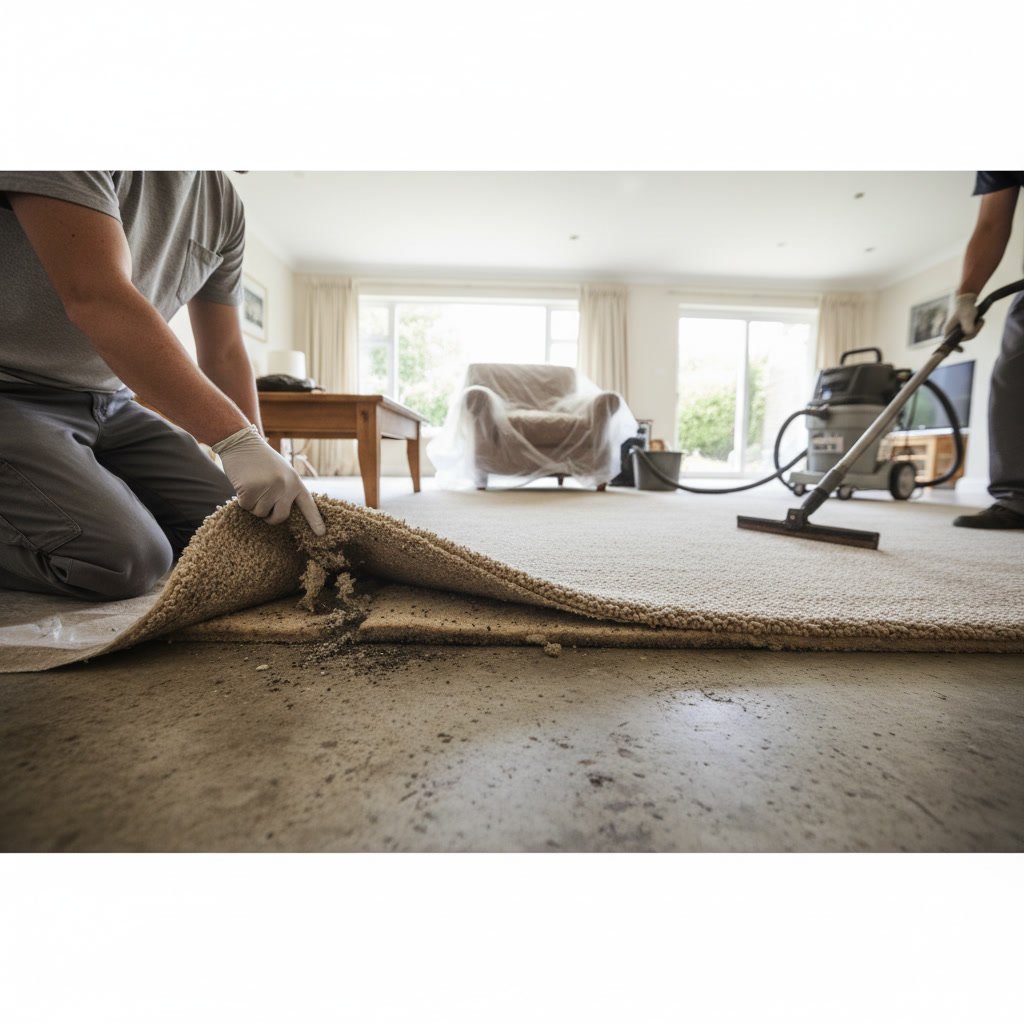
Containment and Protection: Technicians seal off the treatment area to prevent spore migration during cleaning. Air scrubbers with HEPA filters capture airborne particles. This containment protects unaffected rooms from cross-contamination.
Initial Extraction: Powerful vacuum systems remove loose spores, debris, and surface moisture before introducing cleaning solutions. This pre-cleaning reduces the organic load that feeds mold growth.
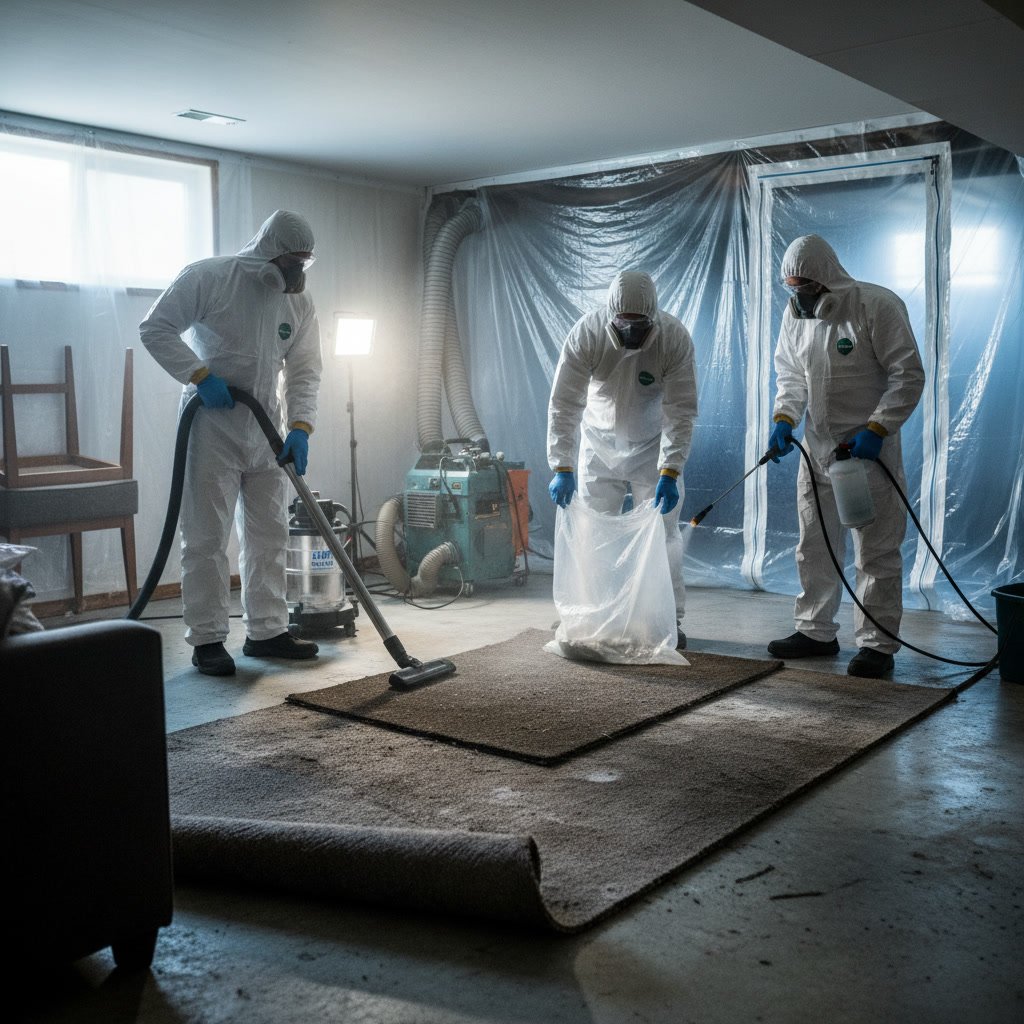
Hot Water Treatment: Heated cleaning solution injected under pressure reaches deep into carpet structure. The combination of heat, cleaning agents, and agitation breaks down mold colonies and lifts contaminated material from fibers.
Antimicrobial Application: After extraction, technicians apply EPA-registered antimicrobial treatments formulated for carpet use. These solutions prevent spore germination during and after the drying period.
Accelerated Drying: Industrial air movers and dehumidifiers create optimal airflow patterns that extract moisture rapidly. Moisture meters confirm when carpets reach safe dryness levels below the threshold for mold growth.
Preventing Future Mold Growth After Professional Cleaning
Professional cleaning removes existing contamination, but long-term prevention requires ongoing moisture management. Indoor humidity control stands as the single most important factor. Maintain levels between 30% and 50% using dehumidifiers in humid months and proper ventilation year-round. Bathroom and kitchen exhaust fans should vent outdoors, not into attics where moisture accumulates.
Address spills and water incidents immediately. Blot excess moisture within minutes and increase airflow with fans. If carpeting remains damp after 24 hours, professional extraction prevents mold establishment. Regular professional cleaning every 12 to 18 months removes organic debris that feeds mold before contamination develops. This preventive approach costs far less than remediation after growth occurs.
How Commercial Properties Manage Mold Risk in High-Traffic Carpeting
Commercial facilities face greater mold challenges due to foot traffic that introduces moisture and debris. Schools, offices, and churches in the Central Valley often schedule quarterly commercial carpet cleaning to maintain healthy indoor environments. High-traffic areas accumulate moisture from rain, snow tracked indoors, and beverage spills that create perfect conditions for rapid mold colonization.
Preventive maintenance schedules align cleaning with seasonal moisture patterns. Entry areas receive more frequent attention during wet months, while summer humidity drives interior carpet care. Commercial-grade antimicrobial treatments provide longer protection periods suitable for facilities that cannot afford frequent service disruptions.
Protecting Your Family Through Professional Mold Prevention
Mold in carpeting threatens both property value and family health. Professional removal eliminates contamination that DIY methods cannot reach, while antimicrobial treatments and moisture control prevent regrowth. The investment in professional service protects your largest asset and creates healthier indoor air quality for everyone in your home. Regular maintenance combined with prompt response to moisture incidents keeps carpets clean, safe, and mold-free regardless of climate challenges.
Grasso Carpet Cleaning brings over five decades of experience to every mold remediation project, using environmentally safe products backed by a 100% satisfaction guarantee. If you’ve noticed musty odors, visible growth, or simply want to protect your carpets from humid climate risks, professional assessment identifies problems before they escalate. Call +12092392906 or visit our contact page to schedule your carpet evaluation and breathe easier knowing your home is protected.