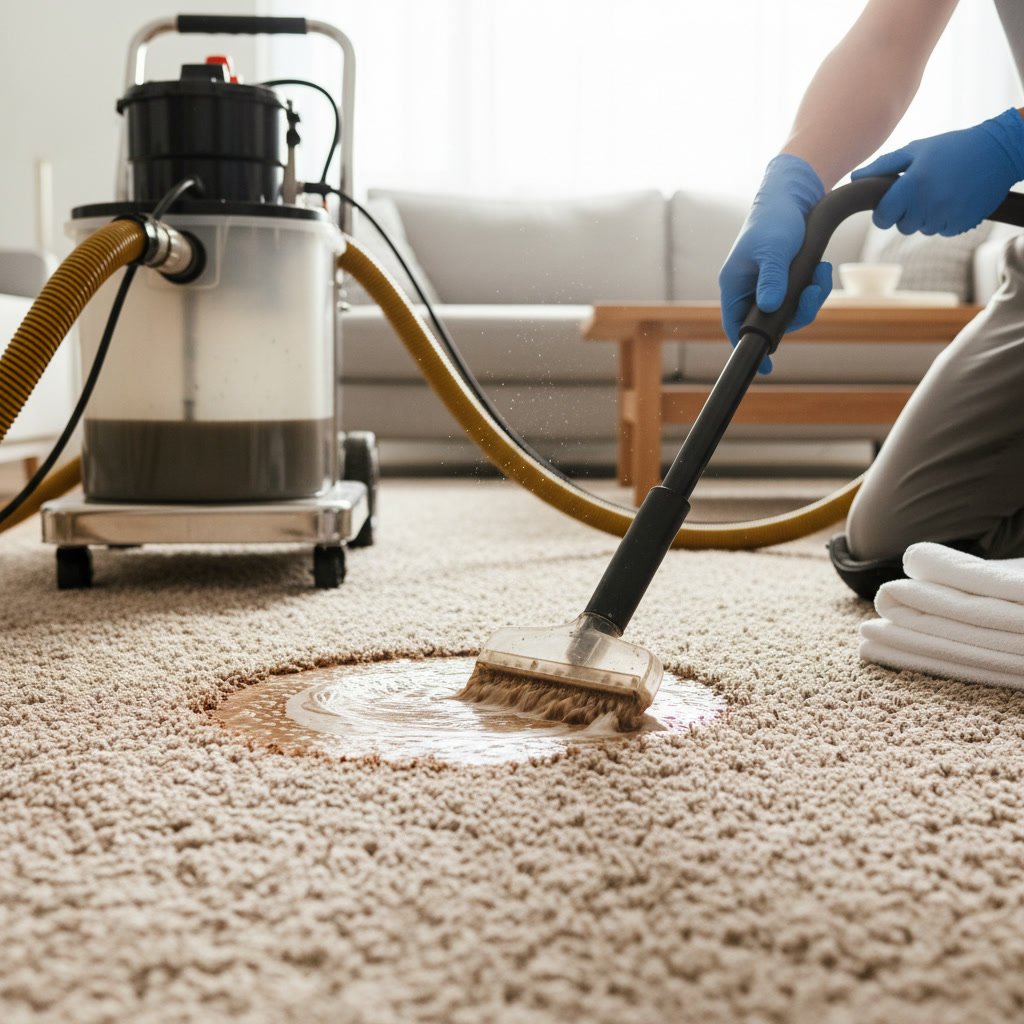
Professional carpet stain removal involves far more than spraying a cleaning solution and scrubbing. Understanding the complete carpet stain removal process helps you know what to expect when hiring a professional service and why expert treatment delivers better results than DIY methods. Technicians follow a systematic approach that addresses stain type, carpet fiber, and existing damage to restore your flooring safely and effectively.
Why DIY Stain Removal Often Makes Problems Worse
Homeowners frequently make stains worse by applying the wrong products or using too much water. Common mistakes include scrubbing aggressively instead of blotting, which pushes the stain deeper into carpet fibers and backing. Many over-the-counter products contain harsh chemicals that damage carpet dyes or leave sticky residues that attract more dirt.
Water-soluble stains like coffee respond differently than oil-based stains such as grease or makeup. Using a single cleaning approach for every stain type rarely works. Professional technicians identify the stain source before selecting treatment methods, which prevents permanent damage and increases removal success rates.
Understanding Different Stain Categories and Treatment Requirements
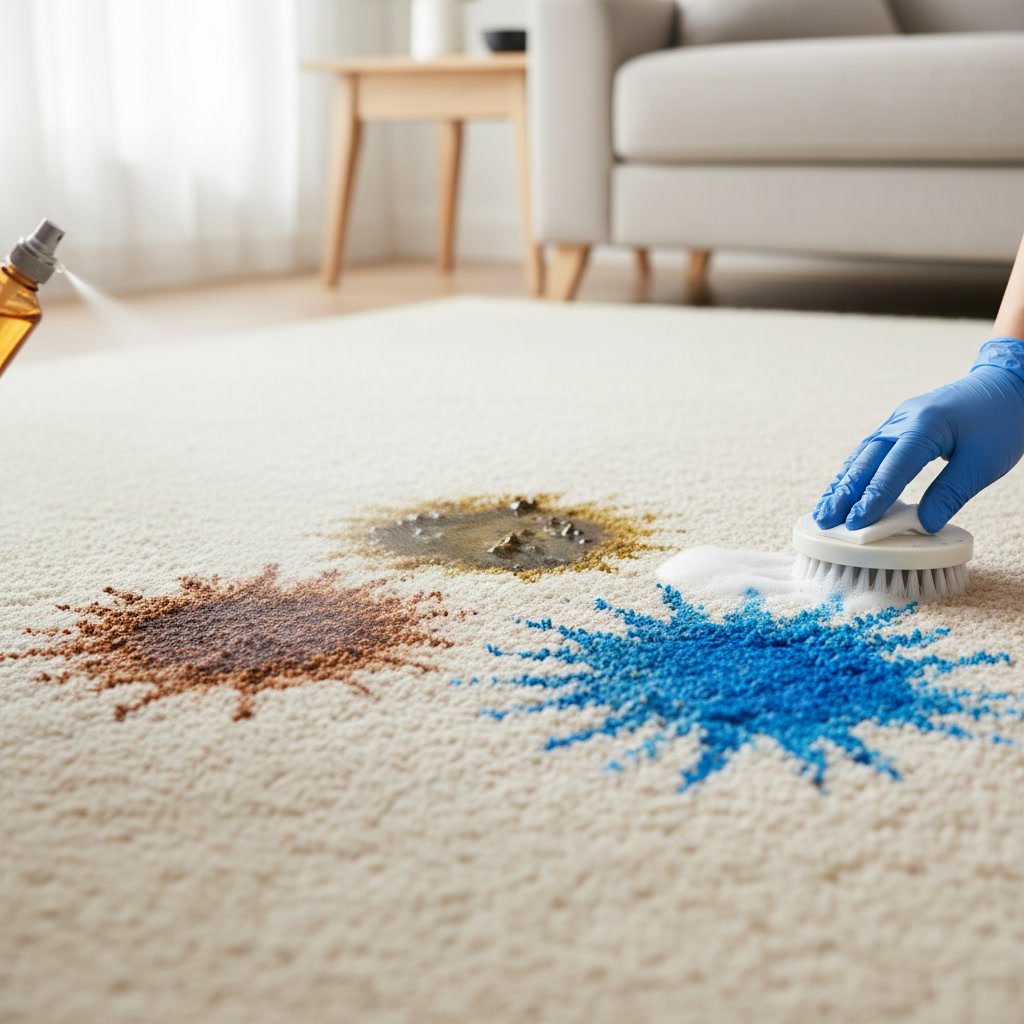
Professionals categorize stains into four main types: protein-based, tannin, oil-based, and dye stains. Protein stains from blood, urine, or vomit require enzyme treatments that break down organic material. Tannin stains from wine, coffee, or tea need acidic solutions to lift the color compounds.
Oil-based stains from grease, makeup, or tar require solvent-based cleaners that dissolve the oily residue. Dye stains from food coloring, Kool-Aid, or ink present the biggest challenge because the dye molecule has bonded with carpet fibers. Each category demands specific products and techniques that most homeowners don’t have access to or knowledge about.
Step One: Thorough Inspection and Stain Identification
The first step in professional treatment involves examining the stain under proper lighting to determine its composition and age. Technicians ask questions about when the stain occurred, what caused it, and what cleaning attempts you’ve already made. This information shapes the entire treatment plan.
Fresh stains respond better to treatment than set-in stains that have oxidized or been heat-set by steam cleaning attempts. Technicians also check carpet construction, fiber type, and existing wear patterns. Delicate fibers like wool require gentler products than synthetic nylon or polyester.
Step Two: Pre-Treatment Testing in an Inconspicuous Area
Before applying any cleaning solution to the stained area, professionals test the product on a hidden section of carpet, usually inside a closet or behind furniture. This five-minute test reveals whether the cleaner will cause color loss, fiber damage, or other adverse reactions.
Testing becomes especially important with older carpets, colored stains, or unknown fiber types. A product that works perfectly on one carpet might bleach or shrink another. This precaution prevents turning a manageable stain into irreversible damage.
Step Three: Dry Soil Removal and Surface Preparation
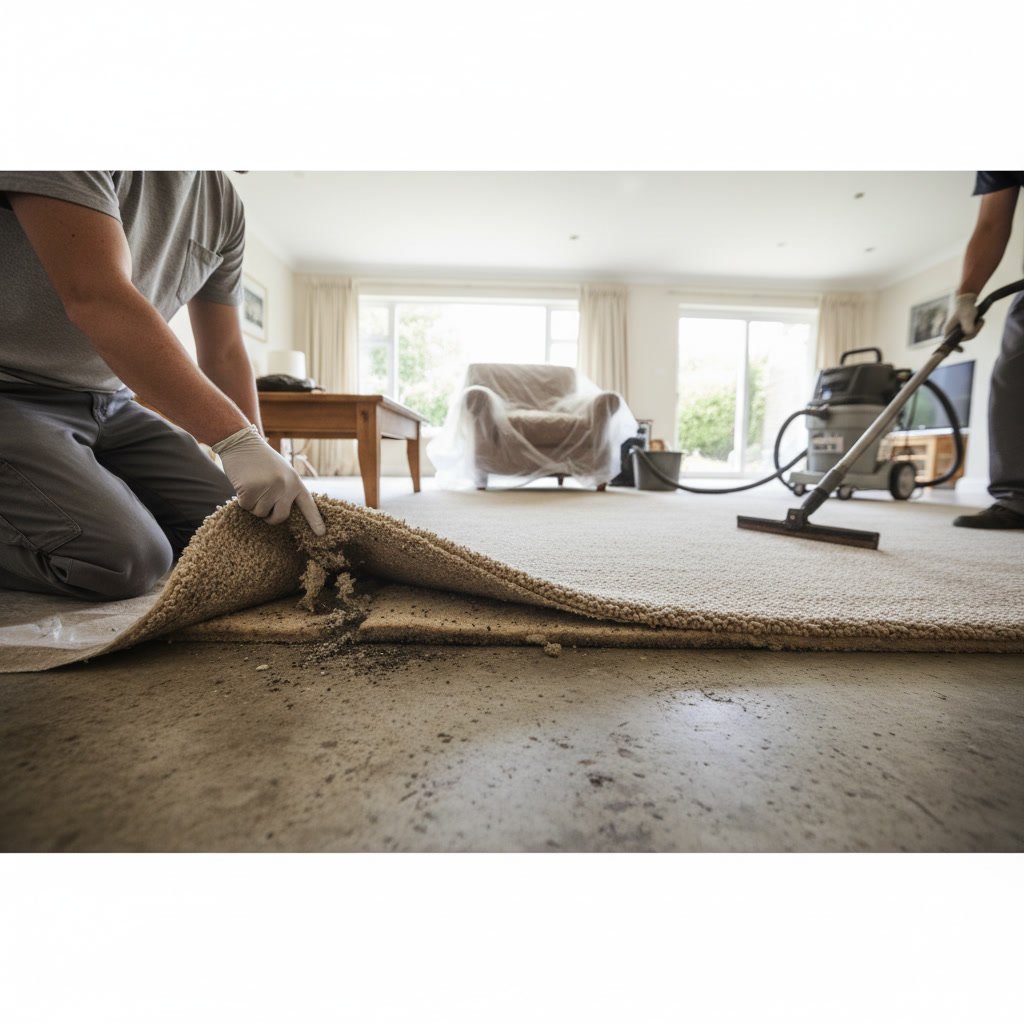
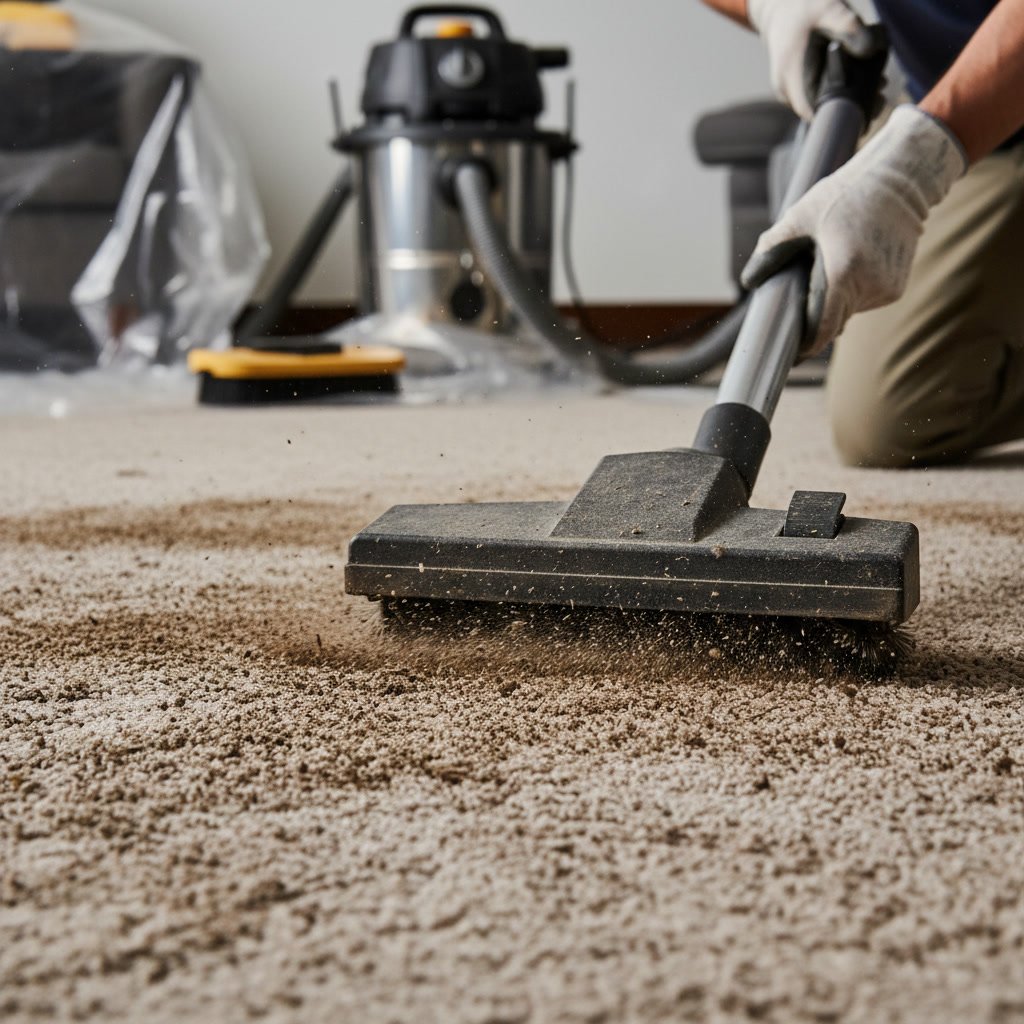
Technicians vacuum the stained area thoroughly to remove loose dirt, dust, and debris. Surface contamination interferes with cleaning solutions and can create muddy residue when mixed with liquid cleaners. High-powered commercial vacuums extract particles that household models leave behind.
For dried stains with crusty residue, technicians gently scrape or break up the hardened material before vacuuming. This mechanical removal reduces the amount of chemical treatment needed and improves cleaning results. Similar attention to detail appears in professional approaches to removing stubborn stains from other surfaces.
Step Four: Application of Specialized Stain Removal Solutions
Professionals apply the appropriate cleaning solution based on stain type and carpet fiber. The product is worked into the carpet from the outside edges of the stain toward the center, which prevents spreading. Technicians use calibrated spray bottles or injection systems to control the amount of moisture applied.
The solution needs dwell time to break down the stain compounds, typically between five and 15 minutes depending on the product and stain severity. During this period, the chemicals penetrate carpet fibers and backing to dissolve or suspend the staining material. Rushing this step reduces effectiveness significantly.
Step Five: Mechanical Agitation and Stain Lifting in Tracy
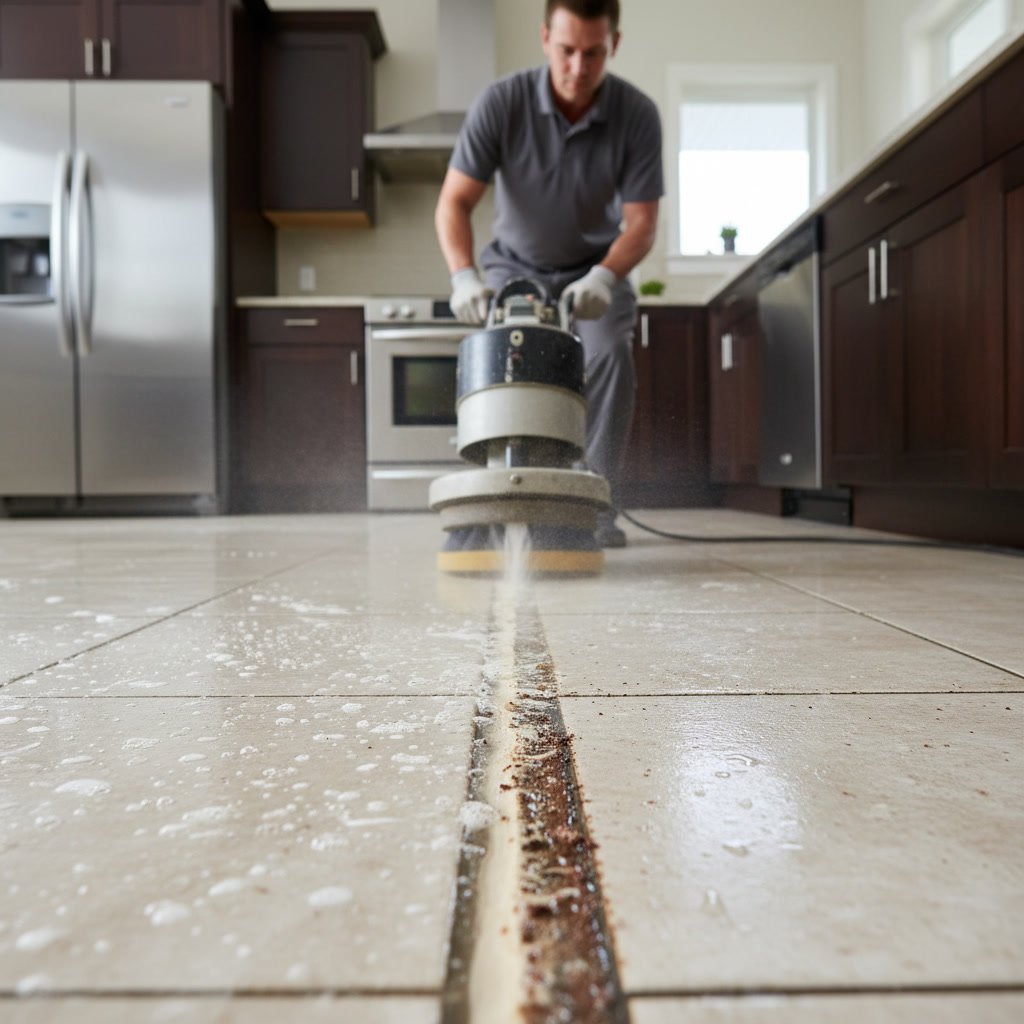
After the dwell period, technicians use specialized brushes, bonnets, or agitation tools to work the cleaning solution through the carpet pile. The mechanical action helps separate stain particles from fibers without damaging the carpet structure. Gentle circular motions lift the stain toward the surface.
This step requires experience to apply the right amount of pressure. Too little agitation leaves stain residue behind, while excessive scrubbing can fray fibers or damage the carpet backing. Professional tools distribute pressure evenly across a larger surface area than handheld brushes.
Step Six: Extraction and Rinse Procedures
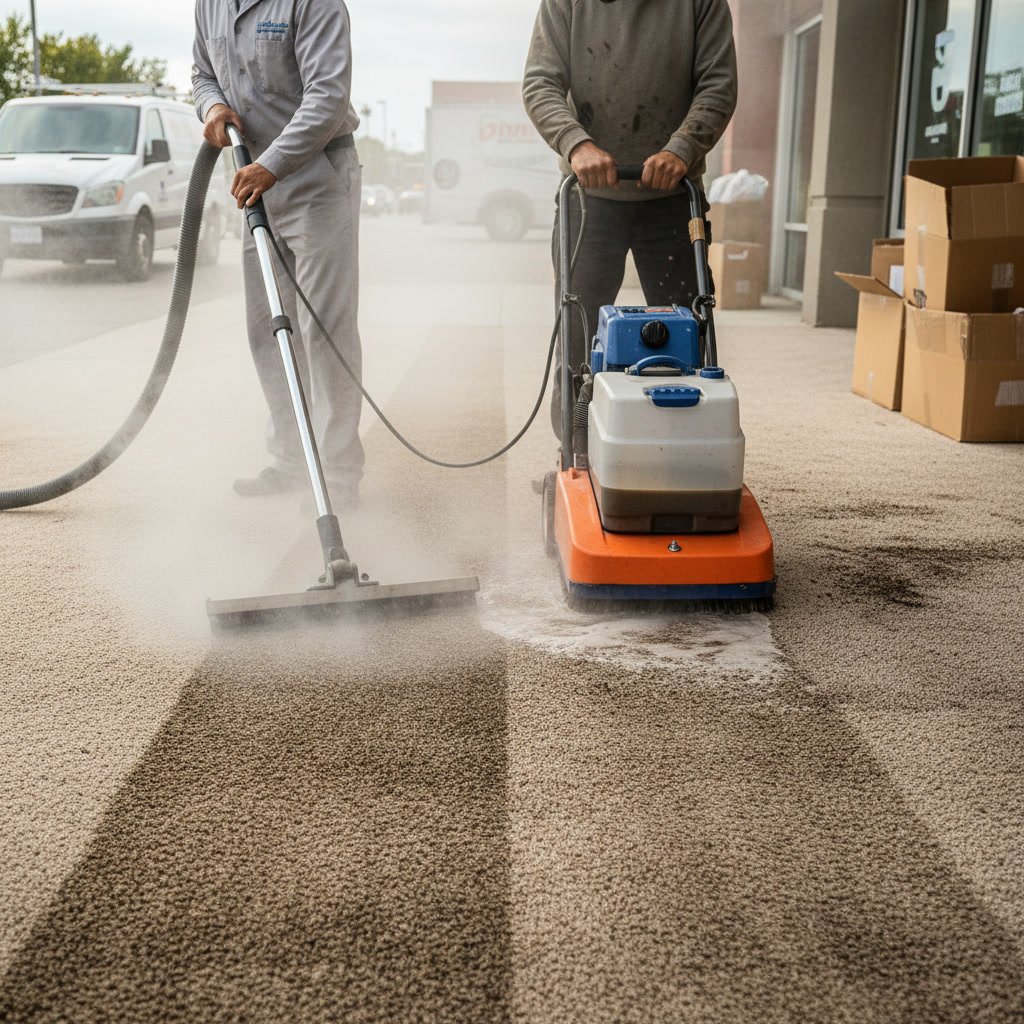
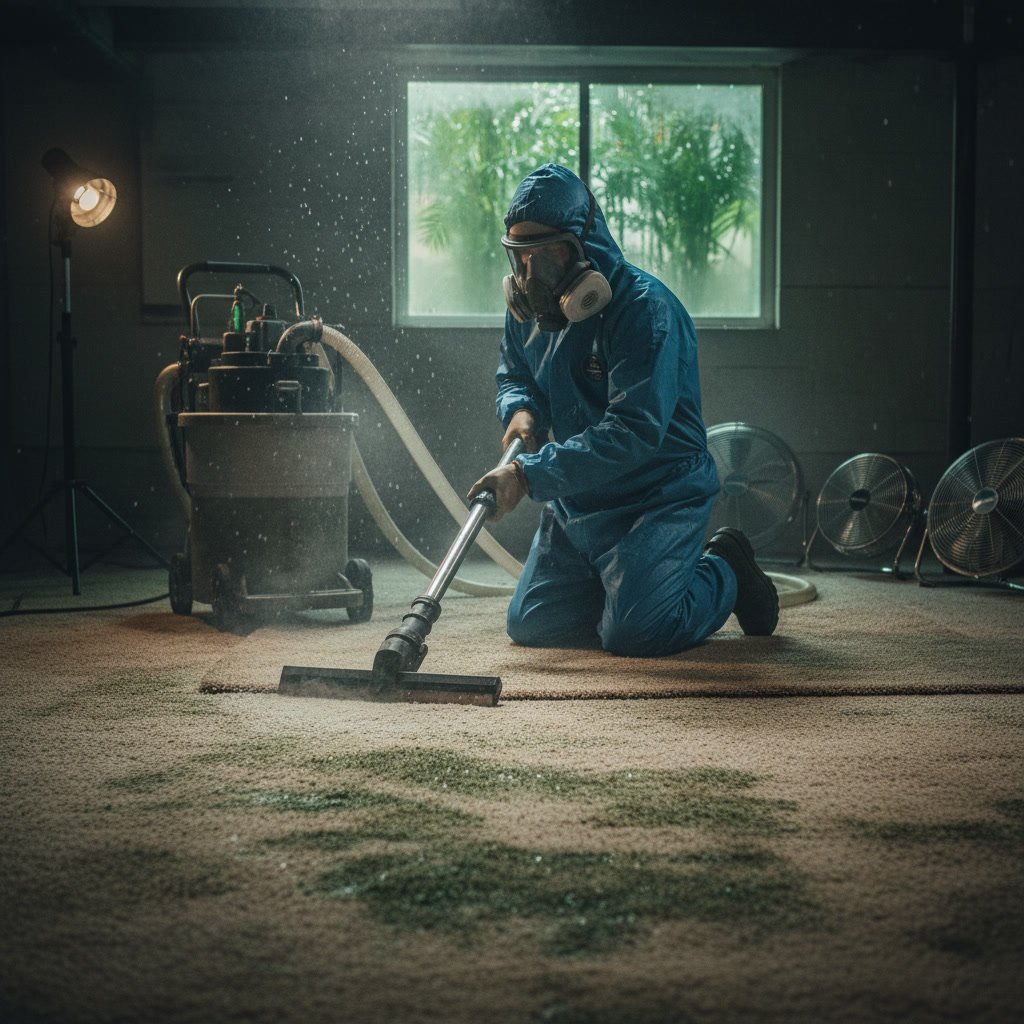
Hot water extraction equipment removes the loosened stain material along with cleaning solution residue. Truck-mounted systems generate stronger suction than portable units, which means less moisture remains in the carpet after treatment. Technicians make multiple slow passes over the treated area to maximize extraction.
Thorough rinsing prevents re-soiling, which occurs when sticky cleaning residue attracts new dirt to the same spot. Some stains require multiple treatment and extraction cycles to achieve complete removal. The same extraction principles apply during full carpet cleaning services that refresh entire rooms.
Step Seven: Post-Treatment Inspection and Additional Spot Work
Once the carpet dries enough to assess results, technicians inspect the treated area under proper lighting. Some stains, particularly old or set-in ones, may still show faint discoloration that requires additional treatment. A second application with a different product or technique might be necessary.
Professionals know when a stain has reached its removal limit. Permanent stains occur when dye has chemically bonded with carpet fibers or when previous cleaning attempts have set the stain with heat. Honest technicians explain realistic expectations rather than promising impossible results.
Advanced Techniques for Stubborn and Set-In Stains
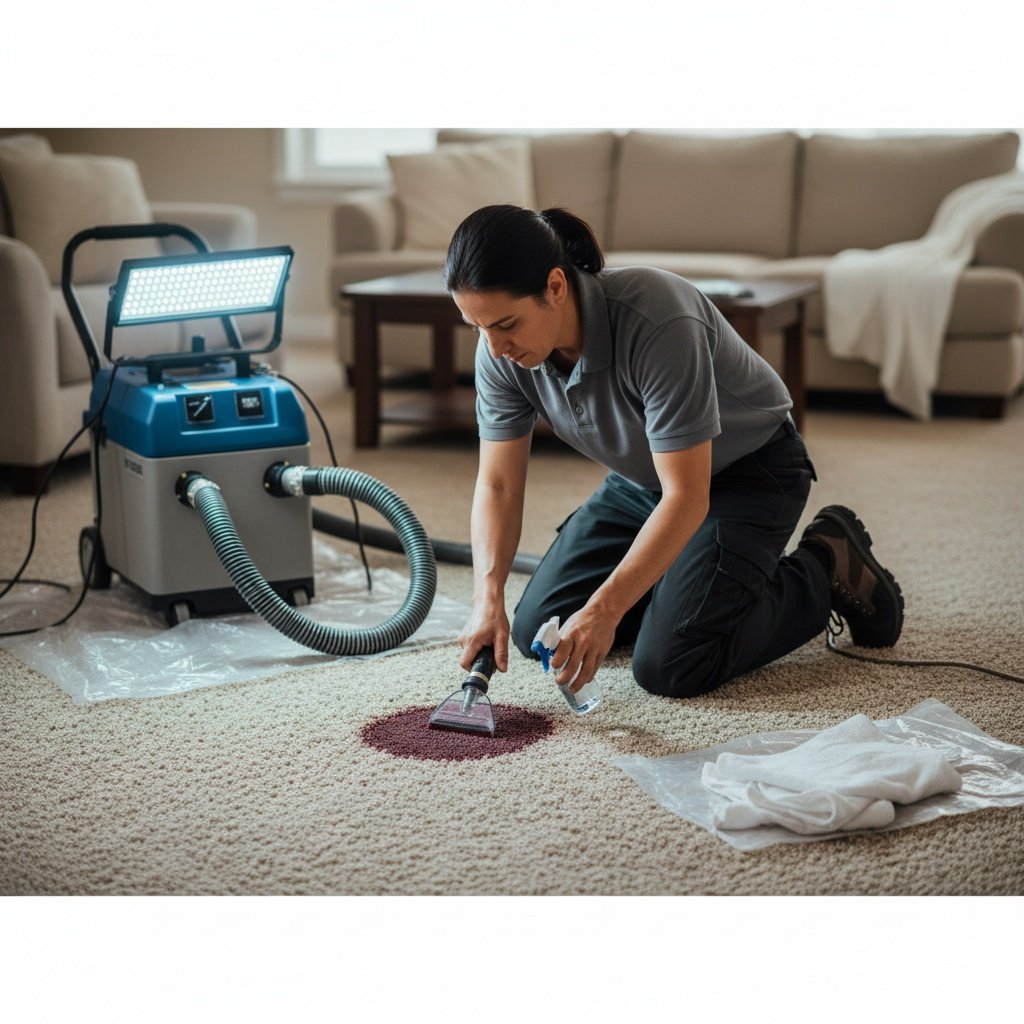
Difficult stains may require specialized treatments beyond standard cleaning protocols. Technicians might use color repair techniques to restore carpet dye damaged by bleach or harsh chemicals. Oxidizing agents can break down organic stains that resist standard cleaning.
For protein stains like pet accidents, enzyme digesters continue working for 24 to 48 hours after application, breaking down organic material at the molecular level. These biological cleaners work more slowly than chemical cleaners but achieve better results on organic matter. The same expertise that removes pet odors and allergens from carpets applies to breaking down protein-based stains.
Why Professional Results Last Longer Than DIY Attempts
Professional stain removal addresses the complete depth of the stain, not just the surface appearance. DIY methods often leave residue in the carpet backing or pad that wicks back to the surface as the carpet dries, making the stain reappear within days or weeks.
Grasso Carpet Cleaning uses commercial-grade extraction equipment that removes moisture more completely than rental machines. Lower moisture levels mean faster drying times and reduced risk of mold growth in carpet padding. Complete extraction also prevents the sticky residue problem that causes treated areas to attract new dirt and look dingy within weeks.
The company’s technicians receive ongoing training in new products and techniques as carpet fiber technology evolves. This expertise allows them to handle specialty carpets and unusual stain types that general cleaning services struggle with. Grasso Carpet Cleaning has served families throughout the region for over 50 years, building expertise that comes only from treating thousands of different stain scenarios.
Protecting Your Investment After Professional Treatment
Professional stain removal restores your carpet, but proper maintenance keeps it looking good longer. Technicians recommend vacuuming high-traffic areas twice weekly and addressing new spills immediately with blotting rather than rubbing. Keeping basic spot cleaning supplies on hand allows you to treat fresh stains before they set.
Carpet protector applications create a barrier that gives you more time to clean up spills before they penetrate fibers. These fluorochemical treatments wear away with foot traffic and vacuuming, so reapplication after professional cleaning maintains the protection. Strategic placement of area rugs in high-risk zones like dining areas or hallways reduces direct carpet exposure to spills and dirt.
Understanding the complete process helps you appreciate the value of professional treatment and know when to call for expert help rather than risk making a stain worse. Whether you need stain removal, full room cleaning, or upholstery cleaning for matching furniture, professional service delivers results that protect your flooring investment and maintain a healthier home environment.
If you’re dealing with stubborn carpet stains that won’t respond to home treatment, professional help is available throughout the Manteca area. Schedule your appointment by calling +12092392906 or visiting our contact page to discuss your specific stain removal needs.